Published August 08, 2026, 09:00 by the Triops.me Editorial Team · Back to Articles
Triops and Astrobiology: What Living Fossils Teach Us About Life Beyond Earth
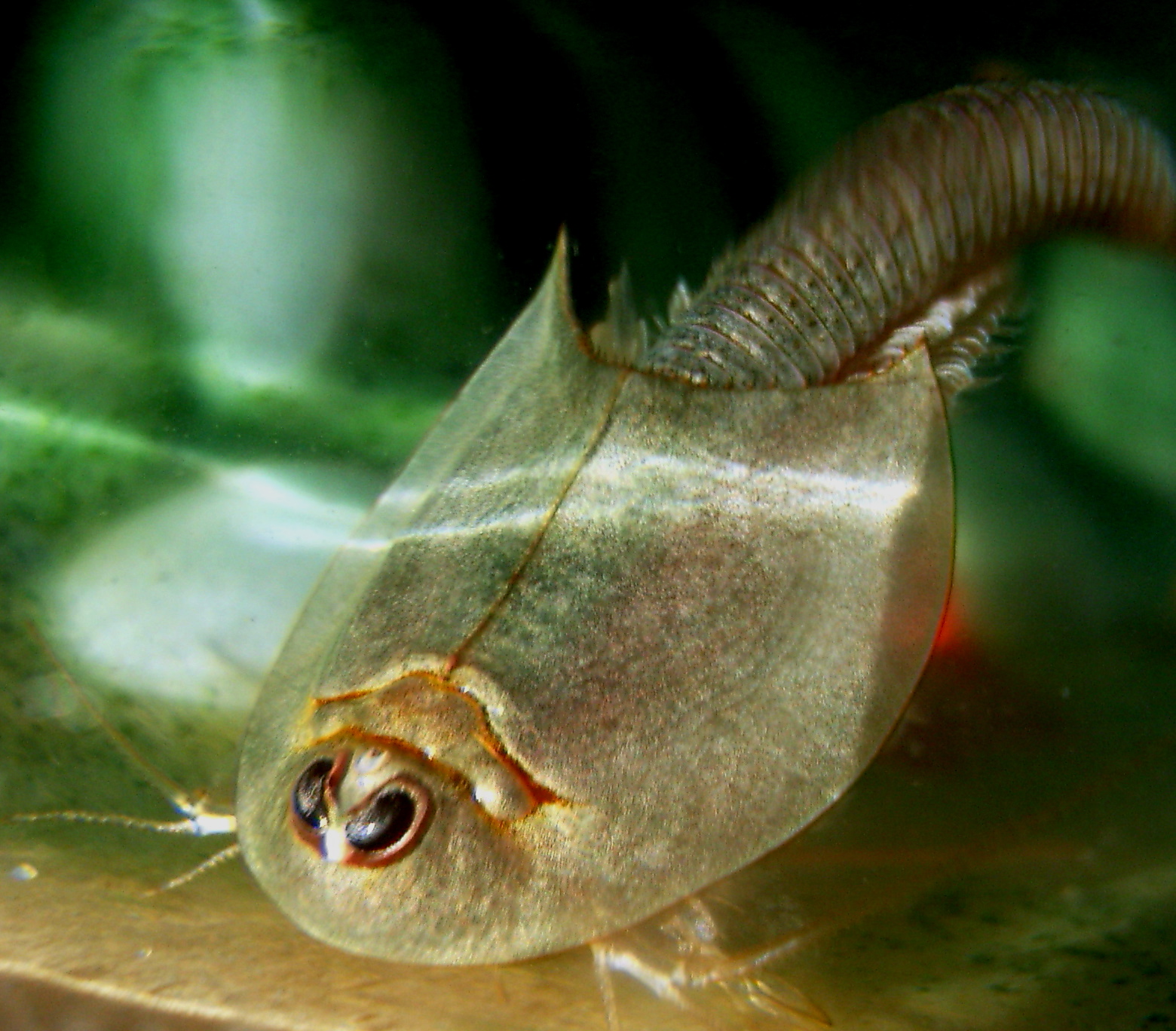
In 2011, scientists sealed 3,500 tiny eggs onto clay discs and bolted them to the outside of the International Space Station. For 13 months, those eggs endured hard vacuum, lethal cosmic radiation, and temperature swings exceeding 100 degrees Celsius. When the discs returned to Earth, baby crustaceans hatched from them. The eggs belonged to Triops, a genus that has survived planetary catastrophes for over 200 million years. Now, researchers believe these ancient survivors could hold clues to one of humanity's biggest questions: whether life exists beyond Earth.
The experiment was a collaboration between the German Aerospace Centre (DLR), Roscosmos, and JAXA as part of the Biorisk programme. Led by geobiologist Dr Thorid Zierold, it built on earlier ground tests where Triops eggs survived minus 45 degrees Celsius, intense UV, vacuum, and a simulated Mars atmosphere. In every case, nauplii hatched. The ISS mission simply pushed the experiment into the real void of space.
Why Triops Eggs Are Built for Space
The secret is the egg itself. Unlike a chicken egg, a Triops eggshell forms no mineral crystals during development. Crystals create weak points where vacuum or radiation causes catastrophic damage. Instead, Triops eggs have a mirror-smooth, nearly hermetic shell. This evolved for surviving drought in sun-baked floodplains, but what protects an egg from drying desert air also shields it from the void of space.
Inside the shell, the embryo enters cryptobiosis, a state where metabolic activity drops to undetectable levels. The organism produces trehalose, a sugar that acts like biological glass, replacing water in cells and locking proteins into stable configurations. This glassy matrix shields DNA from radiation and prevents cell membranes from collapsing. Triops eggs have survived up to 80 years in laboratories and possibly much longer in nature.
The Extremophile Club
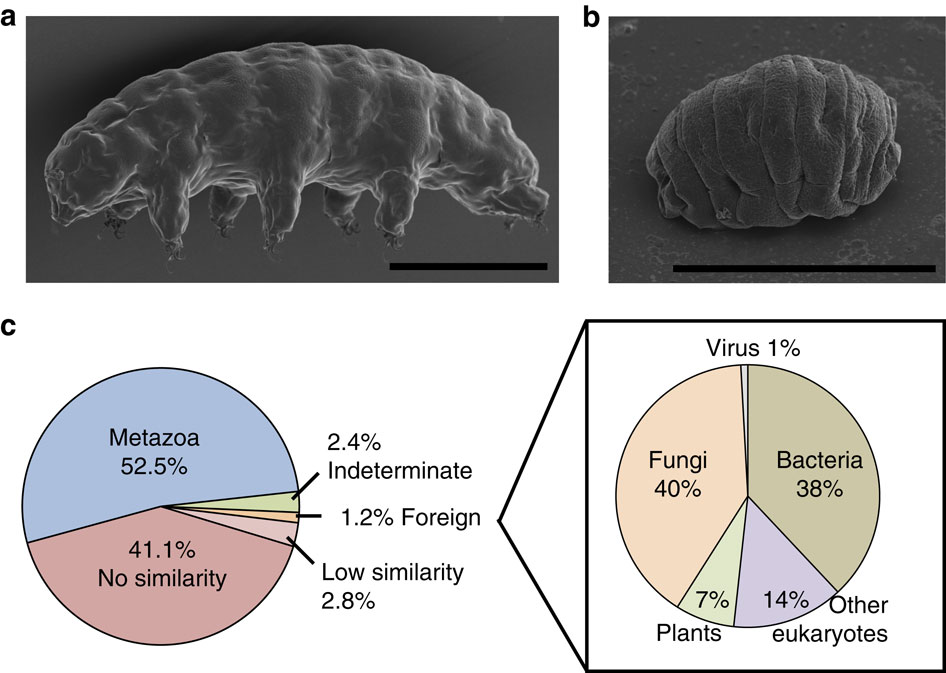
Triops are not alone in their space resilience. Tardigrades survived 10 days in low-Earth orbit during the 2007 FOTON-M3 experiment, enduring both vacuum and UV radiation. Their strategy differs: tardigrades produce unique proteins that form a protective glass, while Triops rely on trehalose and their impenetrable eggshell. Both preserve life through conditions that would destroy most organisms in seconds.
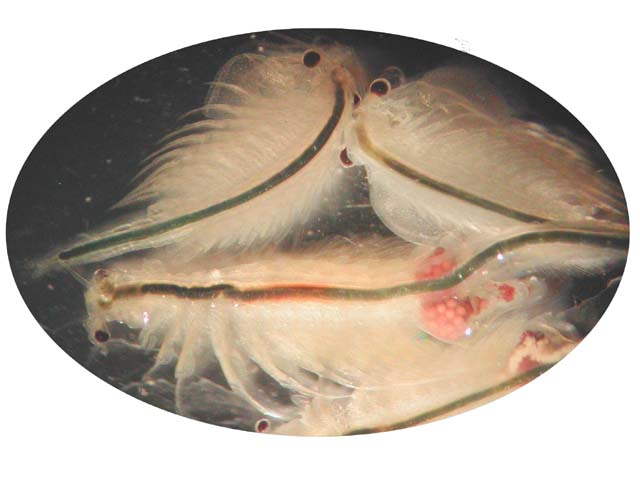
Brine shrimp, or Artemia salina, are Triops' closest relatives in space research. In 1991, astronaut John Glenn carried brine shrimp eggs aboard the Space Shuttle Atlantis to study microgravity effects. NASA continues to use Artemia cysts as model organisms for astrobiology research, including student experiments on the ISS.
Mars, Europa, and the Search for Life
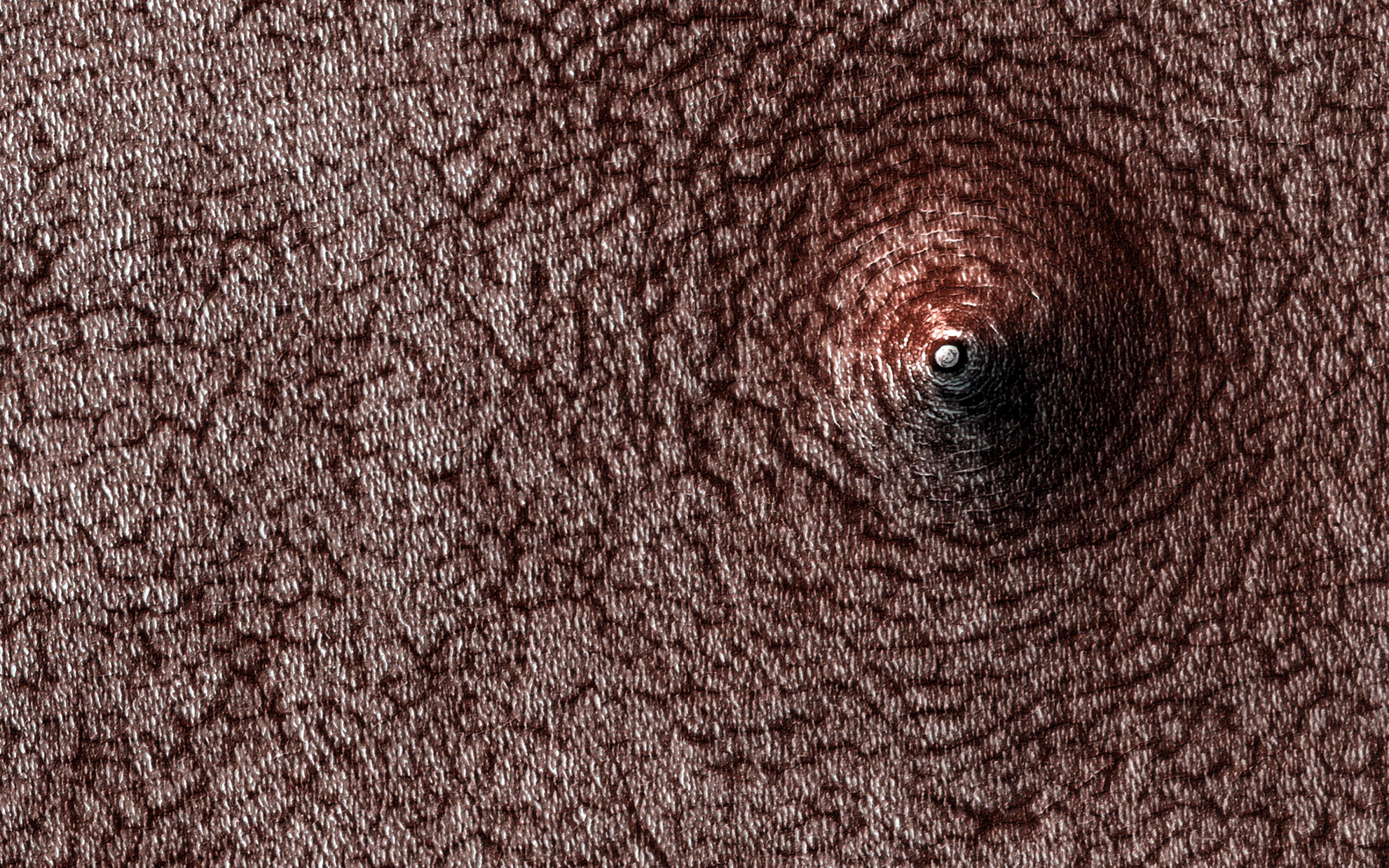
The implications are significant. Mars once had liquid water, and its polar caps still hold water ice. If dormant organisms with cryptobiotic capabilities ever reached Mars through meteorite transfer, a process called panspermia, they might persist in the Martian regolith, waiting for conditions to improve. Triops eggs, with their survival of Mars-like atmospheres, prove that the biological hardware for interplanetary travel already exists.
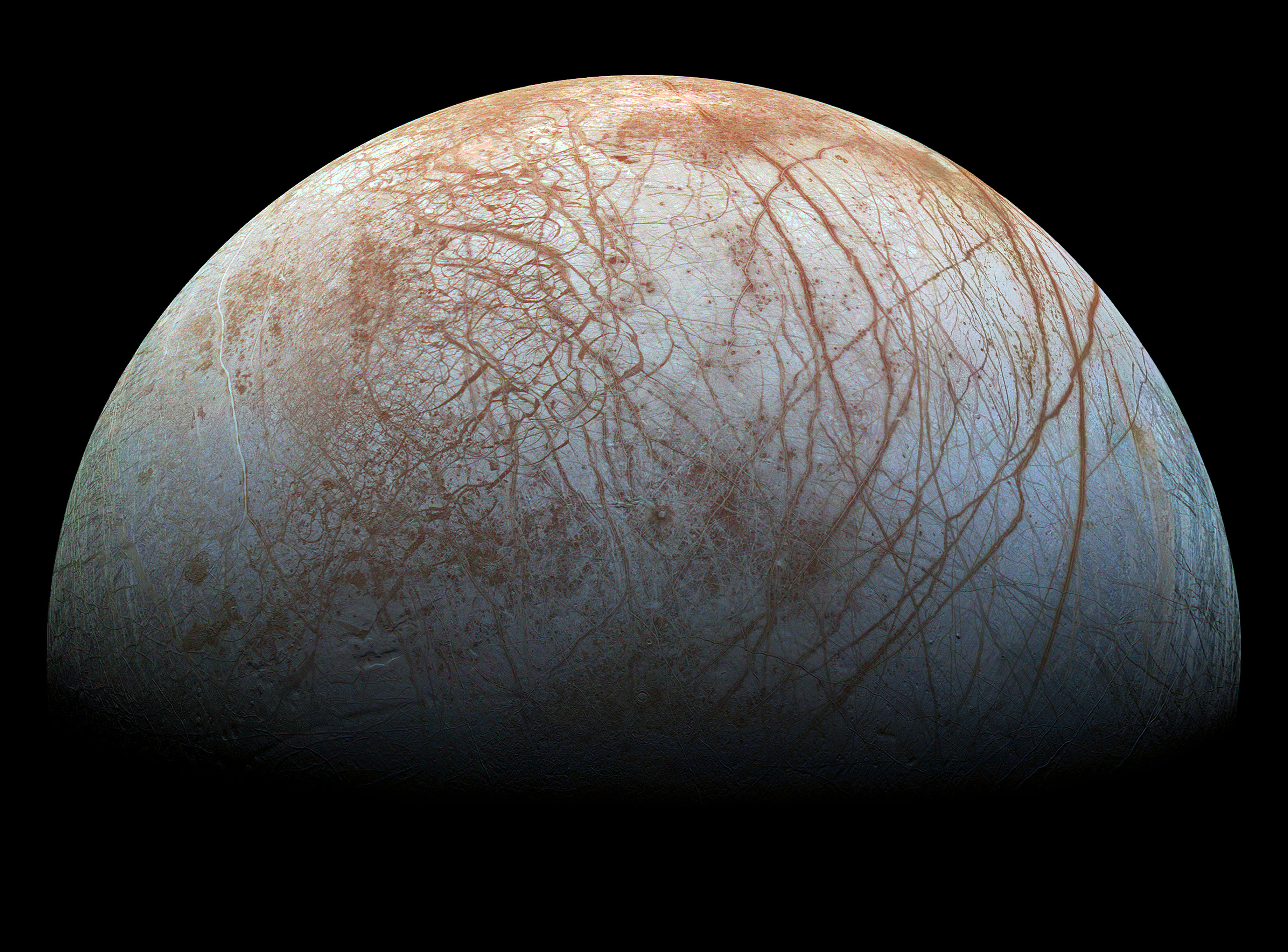
Europa presents a different scenario. Beneath its frozen crust lies a global ocean with more liquid water than all of Earth's oceans combined. Research published in 2026 suggests Jupiter's radiation creates nutrients on Europa's surface that could sink through the ice shell into the ocean below. Any organism adapted to survive radiation, cold, and long dormancy, exactly what Triops eggs are built for, would be well-suited to such an environment.
What This Means for Astrobiology
The real value of this research is understanding the limits of biological endurance. If a multicellular organism can survive hard vacuum and cosmic radiation in a dormant state, then the bar for "habitable environment" may need recalibrating. It is no longer enough to check whether liquid water exists. Scientists must also ask whether conditions for dormancy and revival are present.
NASA's Europa Clipper, launched in 2024, carries instruments to detect biosignatures on Europa's surface. The Perseverance rover on Mars is caching samples for return to Earth. Both missions search for life in environments resembling the extreme habitats where Triops have thrived for millions of years.
A creature that survived the Permian-Triassic extinction, the asteroid that killed the dinosaurs, and countless ice ages is now teaching us what to look for on other worlds. The next time someone spots a Triops in a backyard puddle, they might consider they are watching one of the best candidates for interplanetary survival that Earth has ever produced.
Want to learn more? Read about how Triops eggs survive drought through cryptobiosis, or explore how Triops compare to other living fossils like the coelacanth and horseshoe crab.