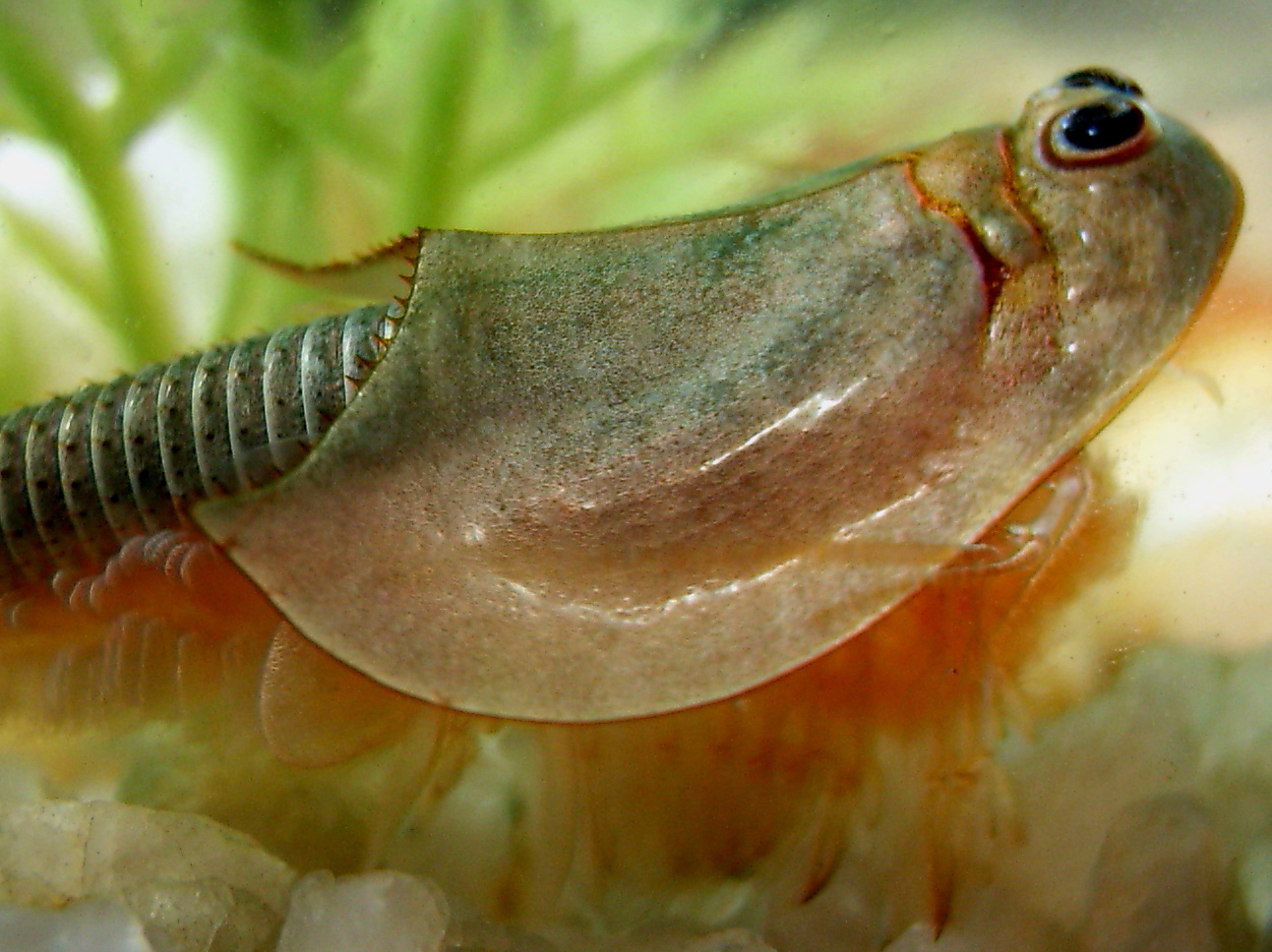
Mosquitoes do more than ruin summer evenings. They transmit malaria, dengue, Zika, and West Nile virus, causing hundreds of thousands of deaths each year. Chemical pesticides can reduce mosquito populations, but they also harm beneficial insects and create resistance over time. There is an alternative, and it has been around for over 200 million years. Triops, the small freshwater crustaceans known as tadpole shrimp, are natural mosquito control agents that devour larvae with surprising efficiency.
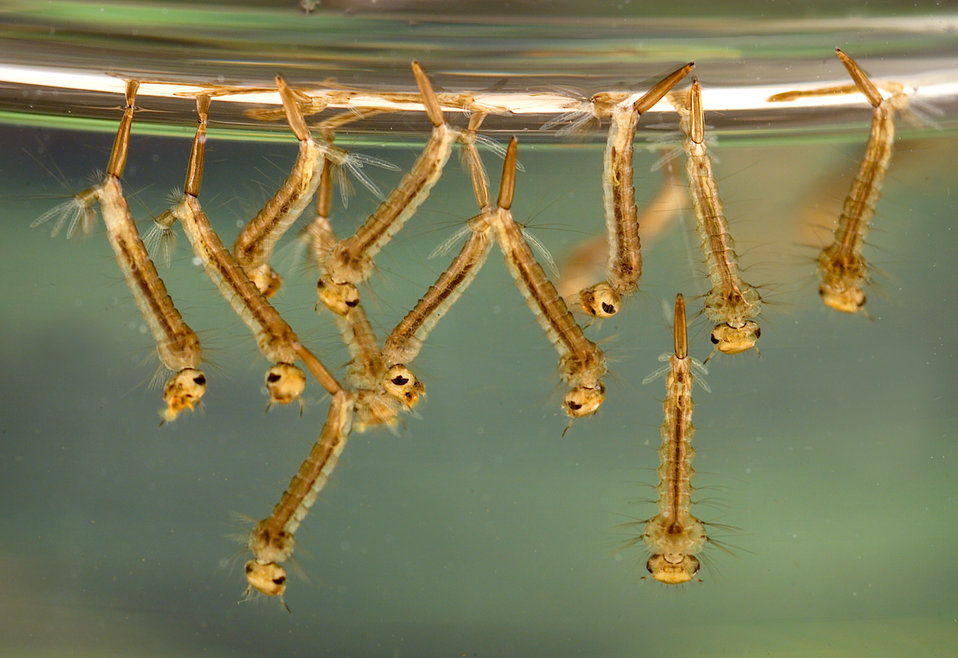
Triops are voracious omnivores. They swim upside down near the water surface, using their many legs to create currents that sweep food toward their mouth. Mosquito larvae must surface to breathe through their abdominal siphons, making them easy targets. When a Triops detects movement, it grabs the larva and shreds it with powerful mandibles. A single adult Triops can eat 30 to 50 mosquito larvae per day, turning even a small population into an effective barrier against mosquito breeding.
How Triops Hunt
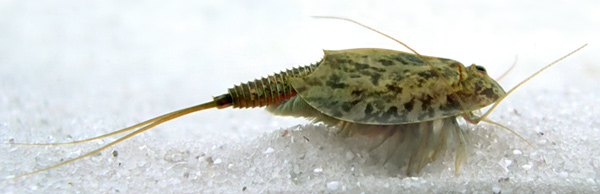
Triops belong to the order Notostraca, an ancient lineage that predates most dinosaurs. Despite their modest size, typically 5 to 8 centimeters, they are aggressive predators with a high metabolic rate. They spend most of their active hours digging through sediment and scanning the water column for prey.
The hunting technique is effective and simple. Triops use their compound eyes and a third, light-sensing naupliar eye to detect shadows and movement above them. Their phyllopod legs create currents that pull prey toward the mouth on the underside of the body. Once captured, larvae are crushed and consumed within seconds. Unlike fish, which may ignore tiny larvae, Triops actively target them because mosquito larvae are the ideal size for their feeding apparatus.
Scientific Evidence
Researchers have confirmed Triops as effective mosquito control agents in controlled studies. A paper in the Journal of the American Mosquito Control Association reported that Triops longicaudatus reduced mosquito larvae by over 90 percent in experimental ponds within 48 hours. The crustaceans showed no preference between Culex and Aedes species, eating both types indiscriminately. This matters because Aedes transmits dengue and Zika, while Culex spreads West Nile virus.
In Japanese rice paddies, farmers have used Triops cancriformis for centuries as a natural alternative to chemical pesticides. The Japanese Ministry of Agriculture recognizes tadpole shrimp as beneficial organisms for rice cultivation. Triops not only eat mosquito larvae but also consume weed seeds and other pest insects, providing multiple ecosystem services from a single organism. This integrated approach has gained renewed attention as demand for organic rice grows worldwide.
Practical Applications for Your Backyard
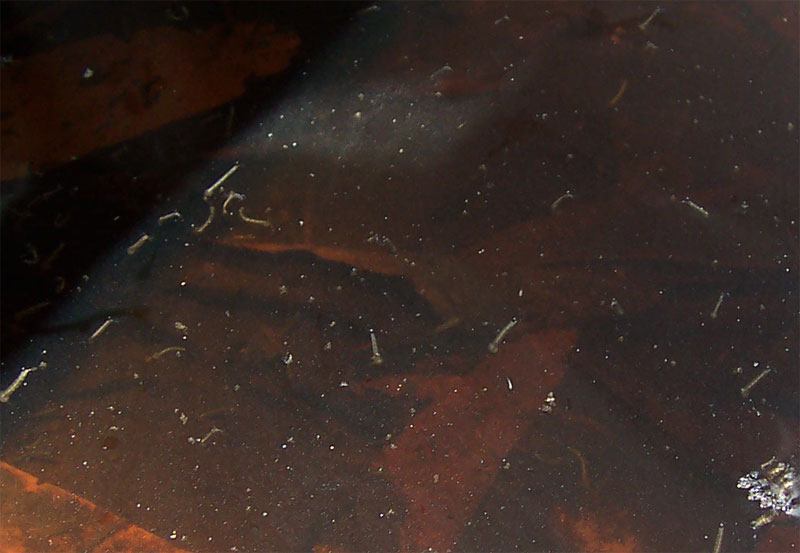
The life cycle of Triops makes them uniquely suited for on-demand pest control. Their eggs, called cysts, can survive complete desiccation for decades through cryptobiosis. You can purchase dried eggs, add them to a water source, and within days, hungry hatchlings begin patrolling for prey. When the water eventually dries up, the next generation of eggs waits dormant in the sediment, ready for the next rain or refill.
For backyard ponds, rain barrels, and water features, a small population of Triops can break the mosquito breeding cycle without chemicals. A 100-gallon pond can support 10 to 15 adults, enough to keep larvae in check throughout mosquito season. The crustaceans are harmless to humans and pets, require no special feeding, and will not overpopulate because they regulate their numbers through cannibalism when food is scarce.
In regions where mosquito-borne diseases are endemic, Triops offer a low-cost, sustainable vector control method. Unlike chemical larvicides that require repeated application and can harm beneficial aquatic insects, Triops establish a self-sustaining predator-prey relationship. As long as water remains, so does the control.
Getting Started
Setting up Triops for mosquito control is straightforward. Use a container with 5 to 20 liters of dechlorinated water and a thin layer of sand. Add a packet of Triops eggs, available through our creature guide, and wait 24 to 48 hours for hatching. Nauplii feed on microorganisms immediately and graduate to mosquito larvae within two weeks. Avoid chemical treatments including Bti mosquito dunks, which harm young Triops. Let the crustaceans do the work naturally.
Triops remind us that nature often provides elegant solutions to human problems. These prehistoric hunters have kept mosquito populations in check since the Triassic period. With a small container of water and a packet of eggs, you can recruit this 200-million-year-old pest control service for your own backyard. Learn more about Triops care and biology or return home for our latest articles.