Published September 05, 2026, 19:07 · Back to Articles
Amber: The Time Capsule That Keeps Prehistoric Life Perfect
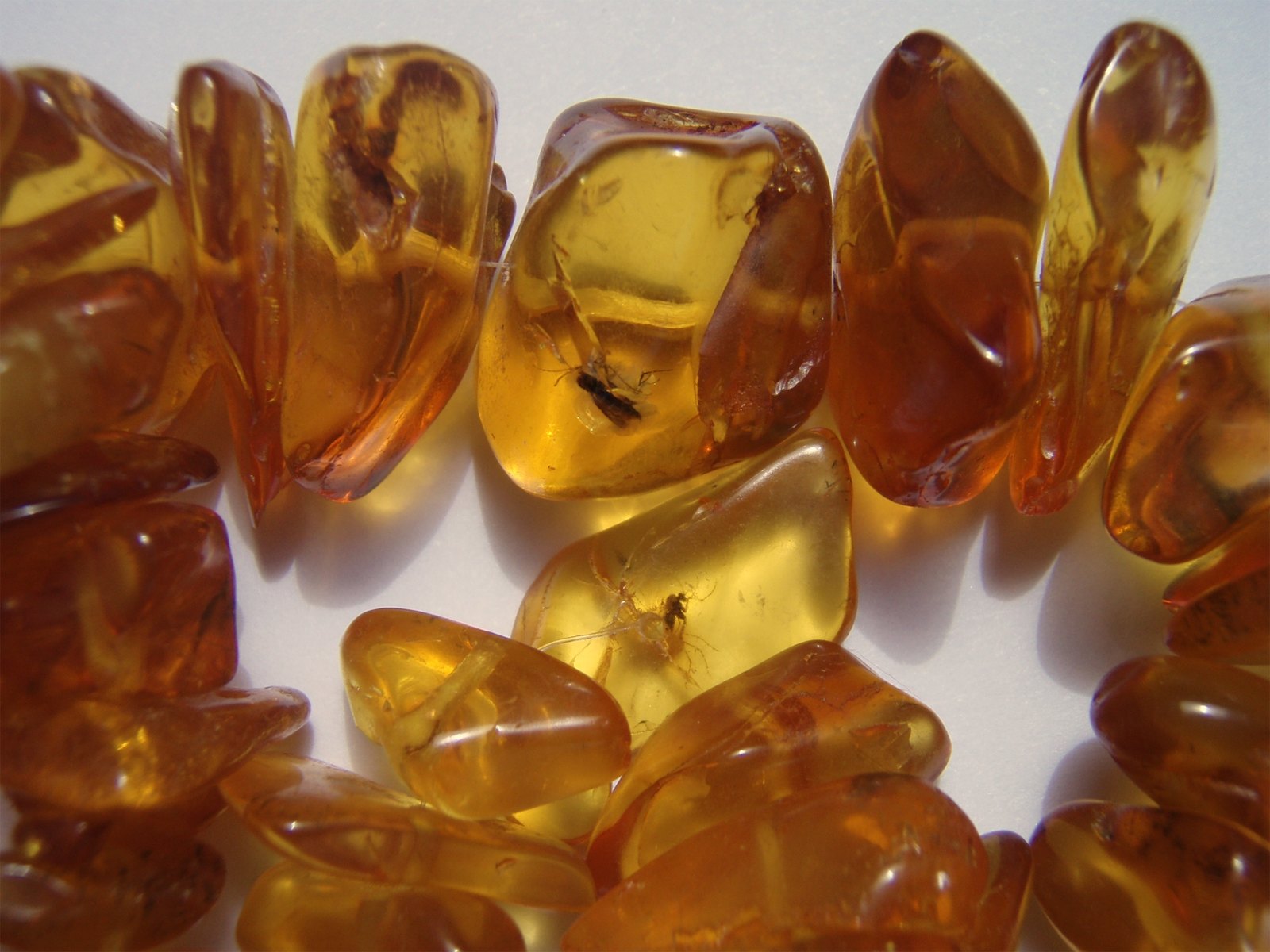
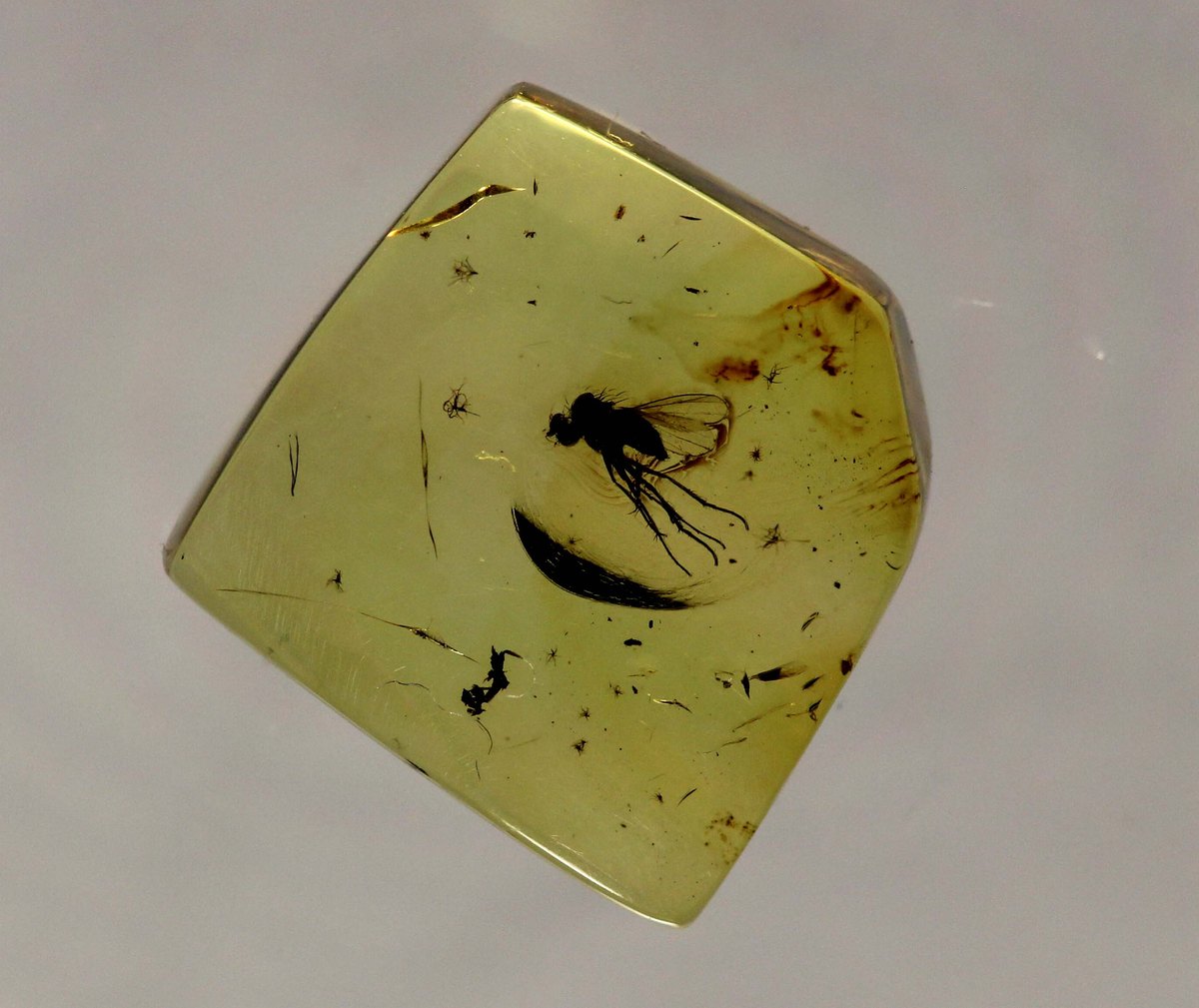
Most fossils are promises. A bone tells you an animal existed, a print tells you it walked, a shell tells you it lived. They are shadows of creatures, compressed and mineralized until almost nothing of the original remains. Amber is different. It is a snapshot, taken the moment an animal stumbled into sticky tree resin and never got out. Inside, you can find a 45-million-year-old fly with its wing hairs intact, its last meal in its gut, and sometimes the color of its eyes.
That level of preservation is unmatched anywhere else in the fossil record, and it makes amber one of the most valuable windows into prehistoric life we have.
From Tree Sap to Time Capsule
Amber starts life as resin, the sticky defensive goo that trees ooze when bark is wounded. Resin is not sap. Sap carries water and nutrients inside the tree, while resin is a chemical weapon, an antiseptic bandage designed to seal wounds and trap attacking insects. That stickiness is exactly what made it a lethal trap.
An insect lands, gets stuck, struggles, and becomes more thoroughly coated. Then resin flows over it in fresh layers, sealing it away from oxygen and bacteria, the two great destroyers of dead tissue. Over millions of years, the resin's unstable oils evaporate and its molecules cross-link into a hardened polymer. The result is amber: chemically inert, water-repellent, and virtually impermeable. A creature sealed inside is not really fossilized in the usual sense. It is mummified in plastic.
What Gets Trapped
Insects are the classic inclusions, and they appear in staggering variety: beetles, ants, wasps, flies, termites, even damselflies caught mid-flight. But amber has preserved far stranger things. Frogs and lizards with their skin, scales, and toe pads intact. Flowers with pollen still in their anthers. Mammal hairs, spider webs with droplets still beaded on the silk, and feathers, including ones from small dinosaurs.
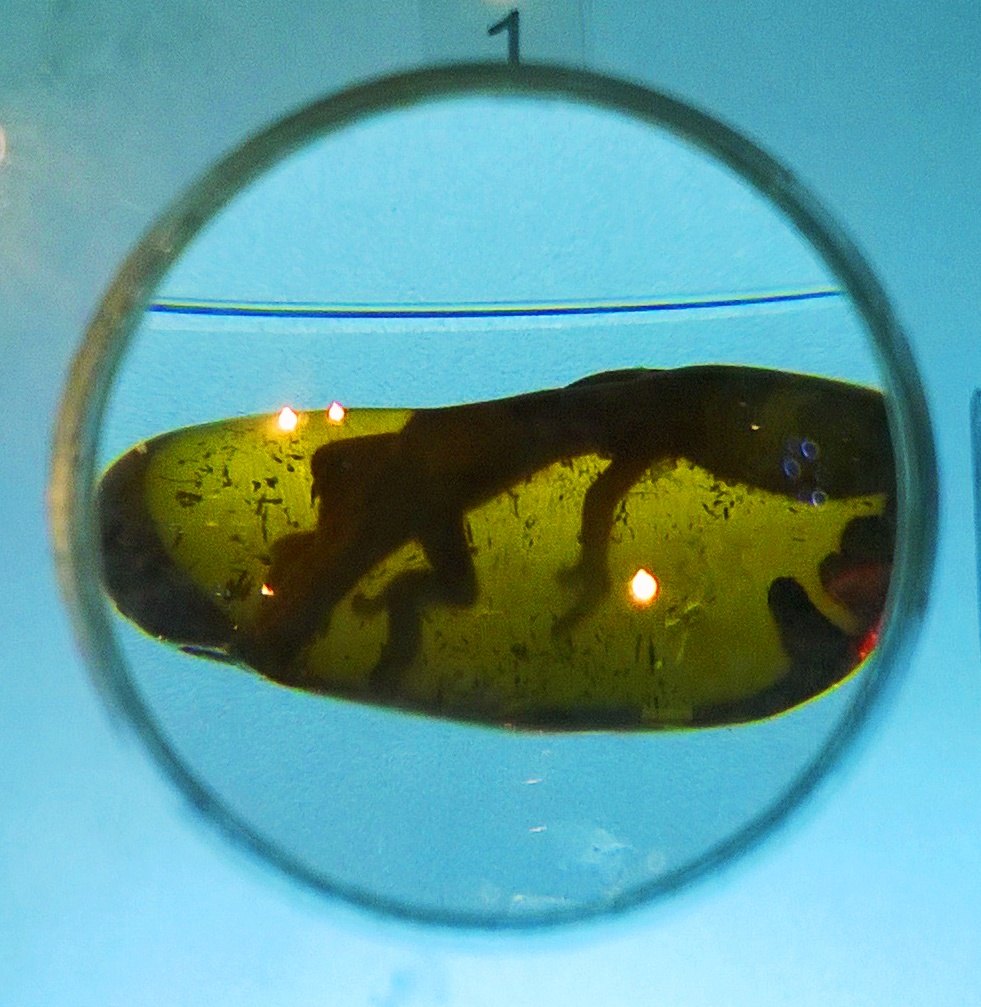
The most spectacular finds come from Cretaceous deposits in Myanmar, roughly 99 million years old. There, researchers have found a feathered dinosaur tail, baby birds preserved whole, and a skull the size of a bee hummingbird's that may belong to one of the smallest known Mesozoic dinosaurs. These specimens carry details no compressed bone could ever show: the actual texture of skin, the arrangement of feathers, the soft parts of eyes.
Amber even records behavior. Some inclusions show a spider wrapped in its own silk with prey already caught, or parasitic wasps frozen in the act of laying eggs. They are not just specimens, they are stopped moments.
The Great Amber Deposits
The most famous source is the Baltic coast, home to by far the largest amber deposit on Earth. Baltic amber formed in vast forests of resin-producing conifers around 44 million years ago, in the Eocene. Storms later scattered the hardened amber across the Baltic seafloor, and waves still wash it ashore today. Tens of thousands of identified inclusions make it the best-sampled ecosystem of its era.
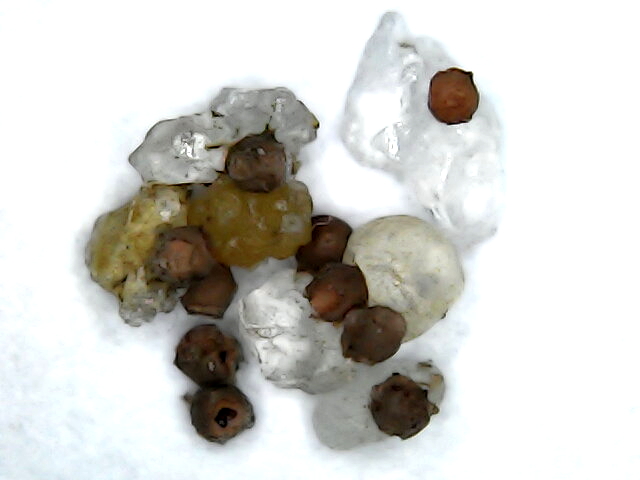
Dominican amber, around 16 to 20 million years old, is younger and clearer, famous for its detailed insects and occasional lizards and frogs. Canadian and French Cretaceous ambers capture the age of dinosaurs from the insect's-eye view. Each deposit is a distinct slice of time, a different forest with different residents, all preserved by the same patient chemistry.
The Triops Connection: Two Ways to Beat Time
Amber's strategy for beating time is preservation: freeze an organism perfectly and keep it exactly as it was. Triops play the opposite game. Instead of preserving bodies, they preserve the possibility of life. Their eggs enter cryptobiosis, a state where metabolism shuts down almost completely, and wait in dried pond sediment for decades until water returns. You can read how that works in our deep dive on Triops eggs and cryptobiosis.
It is worth noticing how similar the two strategies look from the outside. An insect in amber and a Triops egg in dried mud are both suspended animations, both sealed away from the world, both waiting. The difference is the ending. Amber's prisoner never wakes up. The Triops egg hatches, and a lineage that was already ancient when the Baltic forests were young carries on. The invisible egg bank in a handful of mud can outlast a museum.
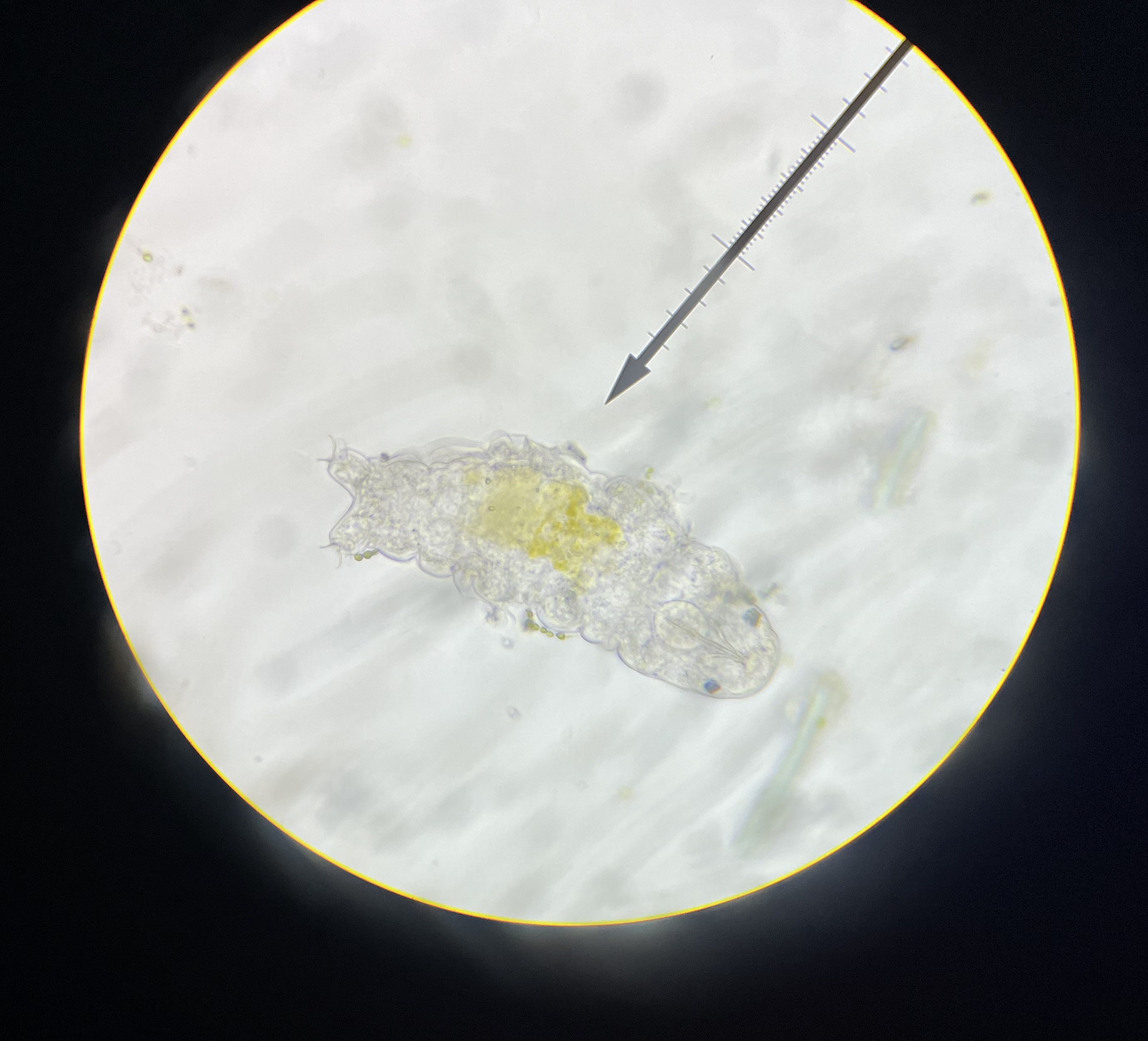
There is a third parallel, too. Amber traps small animals because they are the ones that wander into resin. Triops and their fellow branchiopods are also survivors of the small and overlooked kind, animals that paleontologists only really understand when we look closely. The fossil record favors big bones, but the real champions of deep time, from tardigrades to branchiopod crustaceans, tend to be the creatures that never needed bones at all.
Reading the Perfect Fossil
Amber has limits. It only forms in resin-producing forests, it traps mostly small, land-dwelling life, and it degrades over geological time, so the oldest amber known is around 320 million years old, long after the first forests. Nothing older survives, because amber itself is mortal.
But within those limits, it delivers what no other fossil can: a look at prehistoric life with the volume turned up. Muscles, colors, parasites, pollen, the fold of a wing, all present. A Triops fossil shows you the shape of a survivor. Amber shows you the world that survivor's ancestors moved through, one stuck insect at a time.
Together they tell the same story from opposite ends. Life is fragile, and almost everything is lost. But some things hold on, in stone, in resin, or in a dried egg waiting in the mud, and 500 million years later we get to see them.