Published August 08, 2026, 20:01 by the Triops.me Editorial Team · Back to Articles
Triops Reproduction: Nature's Most Flexible Breeding Strategy
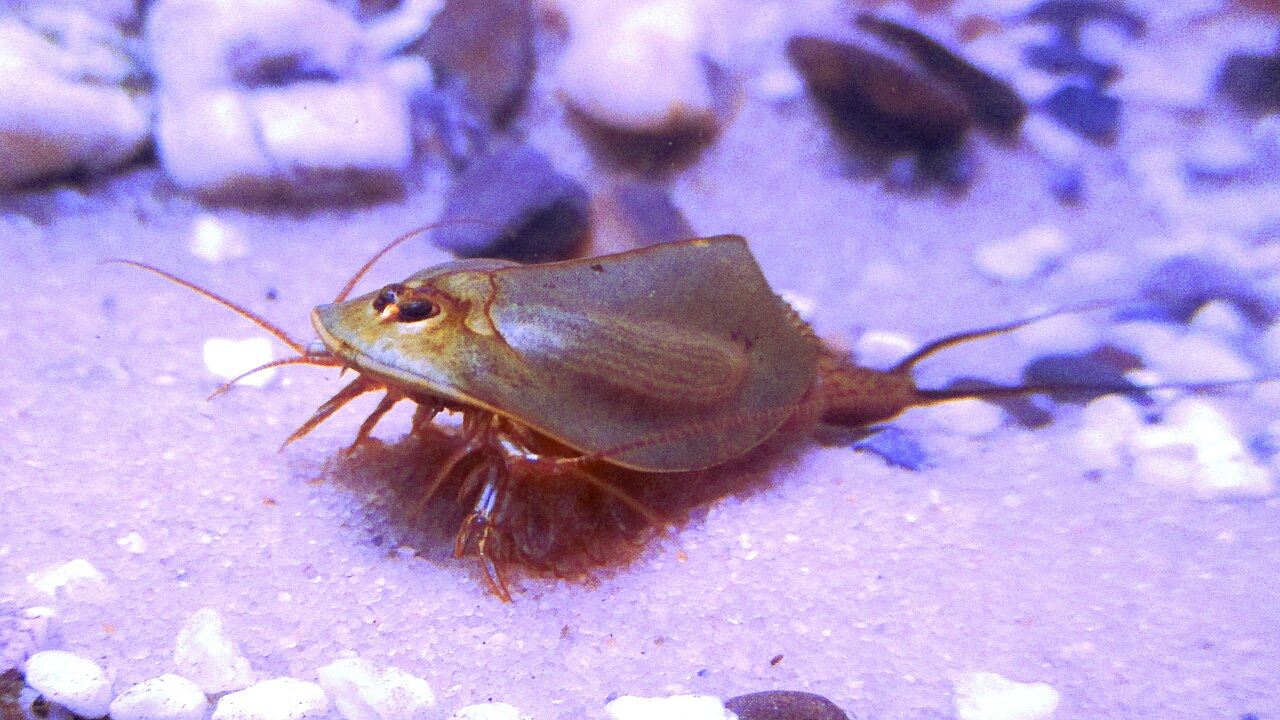
Most animals pick a lane when it comes to reproduction. They are either male or female, and they reproduce sexually or not at all. Triops do not play by those rules. These prehistoric crustaceans have evolved one of the most flexible reproductive systems in the animal kingdom, capable of switching between sexual reproduction, asexual reproduction, and even self-fertilization, sometimes within a single generation.
This plasticity is not a quirk. It is a survival strategy refined over 220 million years of life in temporary pools that flood, dry up, and flood again. When your habitat might vanish in weeks, you need to reproduce fast, and Triops have more options than almost any other crustacean alive today.
Three Ways to Make Babies
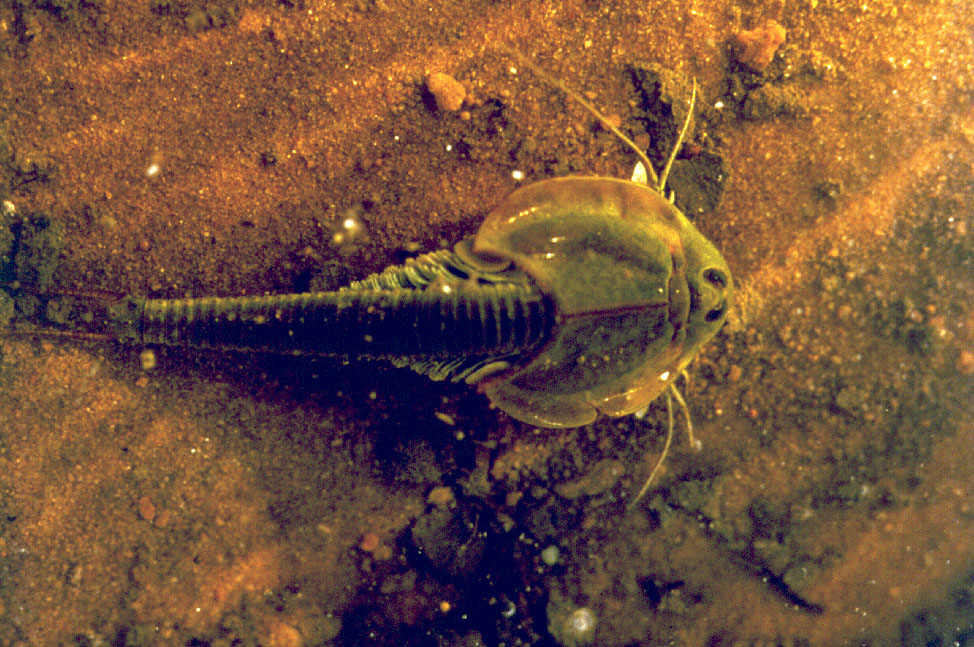
The European species, Triops cancriformis, and the American species, Triops longicaudatus, handle reproduction differently, but both are remarkably adaptable.
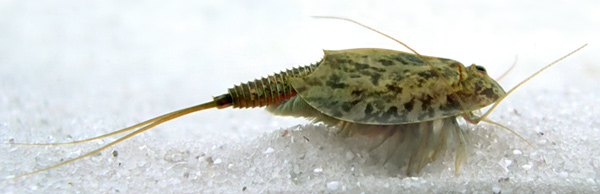
In populations of Triops cancriformis, researchers have documented three distinct sexual systems operating in the same species. Some populations are dioecious, meaning they have separate males and females that reproduce sexually. Other populations are androdioecious, where hermaphrodites and males coexist. The hermaphrodites can fertilize their own eggs, while the males exist as a kind of genetic backup. Sex in T. cancriformis is determined by a ZW chromosomal system, the same mechanism used by birds, where females are the heterogametic sex (ZW) and males are ZZ.
Triops longicaudatus takes a different path. Sexual reproduction in this species is rare. Most populations are heavily female-dominated and rely on parthenogenesis, a form of asexual reproduction where females produce offspring without mating. A third strategy, called selfing or self-fertilization, can occur in populations composed mainly of hermaphrodites. In all cases, fertilization is external, meaning eggs are fertilized after leaving the body rather than inside it.
Speed Matters in Temporary Pools
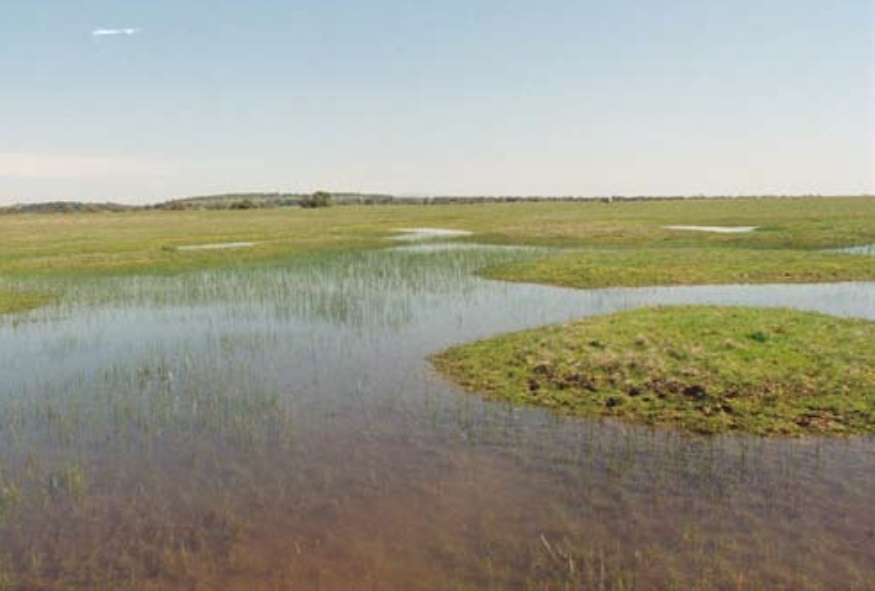
The reason Triops developed this flexibility becomes clear when you look at where they live. Triops are found in vernal pools, ephemeral ponds, and desert playas, habitats that appear after rain and disappear as temperatures rise. A typical pool might hold water for a few weeks to a couple of months, the entire window for a Triops to hatch, grow, mature, and reproduce.
Triops longicaudatus reaches sexual maturity in roughly seven days. Within a week of hatching, a female can already be producing eggs. Females carry fertilized eggs in two brood pouches for several hours before depositing them on the substrate or releasing them into the water column. Eggs are laid in batches of 10 to over 100 at a time, and a single female can produce hundreds of eggs across her short lifespan.
Reproduction is tied to water temperature and photoperiod. Triops breed during the warmer months when pools are active. The eggs they produce are often modified to enter dormancy, waiting months or years for favorable conditions to return.
Parthenogenesis as a Default
Parthenogenesis is the most common reproductive mode in Triops longicaudatus, and it makes ecological sense. In a temporary pool that might dry up in weeks, finding a mate is not guaranteed. A female that can produce viable offspring without one has a significant advantage. She does not need to wait for males to arrive, and she can populate a pool from a single egg carried by wind, water, or mud on a bird's foot.
In asexual populations, all offspring are female, genetically identical to their mother. This clones the mother's successful genotype across the pool. But without genetic recombination, the population becomes vulnerable to parasites that exploit uniformity. This is likely why sexual reproduction persists in some groups, maintaining diversity as a hedge against changing threats.
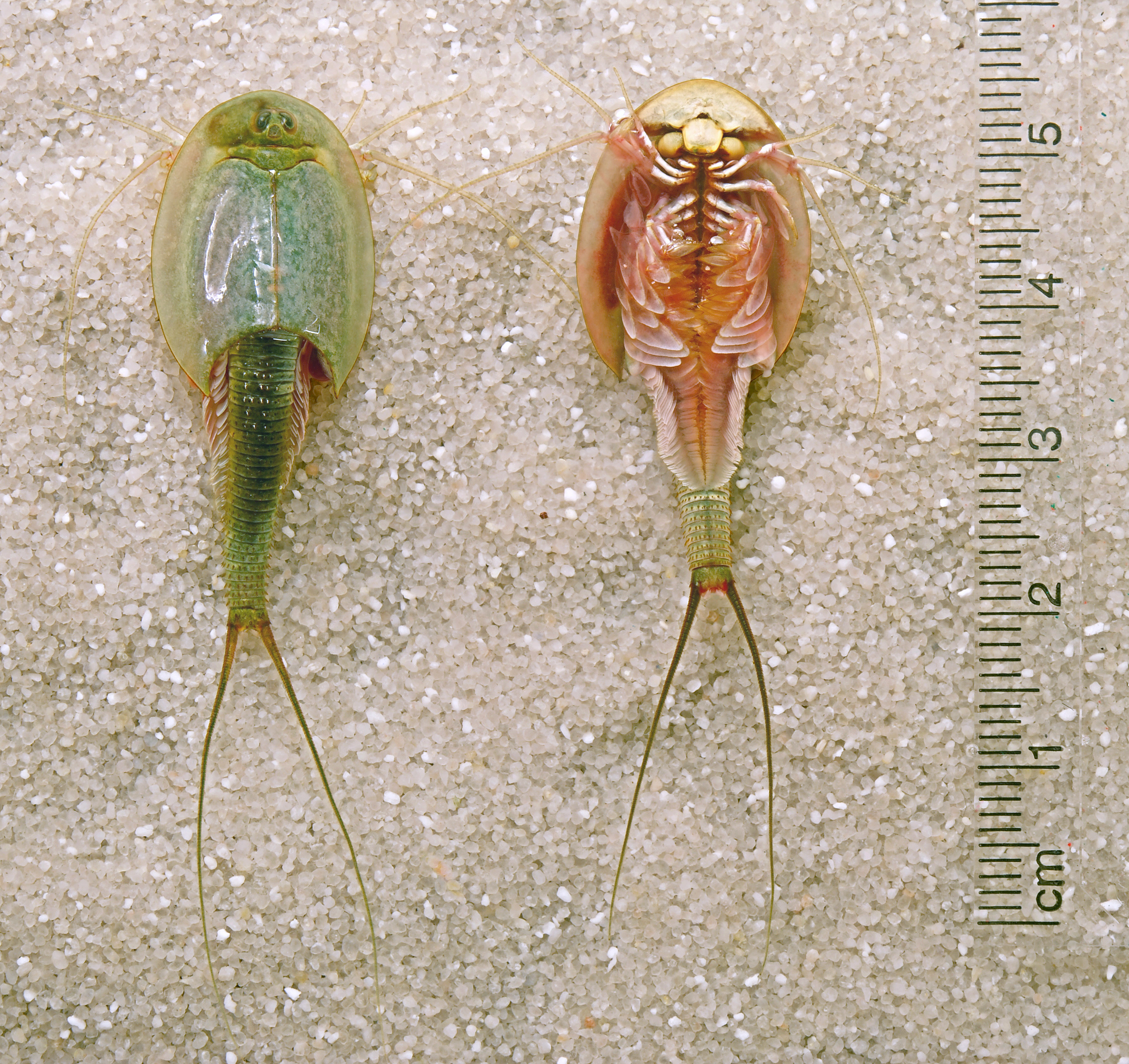
The ZW sex chromosomes in T. cancriformis show little differentiation between populations with different sexual systems. The same genetic mechanism controls sex in both groups, suggesting the transition between modes can happen without major chromosomal change. A population under heavy predation might benefit from the genetic diversity of sexual reproduction. A population in a newly formed desert pool might thrive through parthenogenesis, where a single founding female seeds an entire colony.
Triops survived five mass extinctions not because they are physically indestructible, but because their reproductive strategy is endlessly adaptable. When the world changes, Triops change how they breed, and that flexibility may be the most powerful adaptation of all.
Want to learn more? Explore our article on how Triops eggs survive drought to understand the other half of this survival equation, or read about how Triops compare to other living fossils.