Published 2026-10-28 · by the Triops.me Editorial Team · Back to Articles
The Worm That Slept for 46,000 Years
Under a microscope in a Russian laboratory in 2018, a speck of frozen mud began to move. Inside it was a nematode, a roundworm barely a millimetre long, and it was not dead. It had been pulled from Pleistocene permafrost in northeastern Siberia, ground that had stayed frozen since the last Ice Age. When researchers gently thawed the sample, the worm stretched, started feeding, and soon began laying eggs. It did not even need a mate: the species reproduces on its own.
In 2023, a team led by Anastasia Shatilovich confirmed what that first wiggling hinted at. The worm was not a modern contaminant that had drifted into old dirt. Radiocarbon dating showed it had been in suspended animation for roughly 46,000 years, making it the oldest animal ever brought back to active life, as far as scientists know. The species was new to science and got a name to match: Panagrolaimus kolymaensis, after the Kolyma River region where it slept.
A burrow frozen in time
The worm's hiding place tells the story on its own. It sat in a fossil burrow dug by Arctic ground squirrels during the late Pleistocene, when mammoths and woolly rhinoceroses still grazed the steppe above. The burrow came from an outcrop along the Kolyma River, cut from a frozen wall about 40 metres below the surface, in deposits that had never thawed. Ground squirrels of the Ice Age built these burrows with an entrance tunnel and a nesting chamber up to 25 centimetres wide, lined with plant litter and seeds they had gathered for winter.
That lining is what allowed the dating. Researchers radiocarbon-dated plant material from the same burrow and got an age of about 46,000 years. When the worm settled into the burrow wall, Neanderthals still lived in Europe, and humans were just starting to make the cave and rock art we know today. The burrow had kept its cold, airless silence ever since.
A species new to science
Panagrolaimus kolymaensis is a bacterial feeder, part of a genus of tough soil nematodes found worldwide. Genetic analysis showed it is triploid, with three sets of chromosomes, and reproduces by parthenogenesis: females produce clones of themselves without mating. A single revived female could therefore start a whole laboratory population, which is exactly what happened after the thaw.
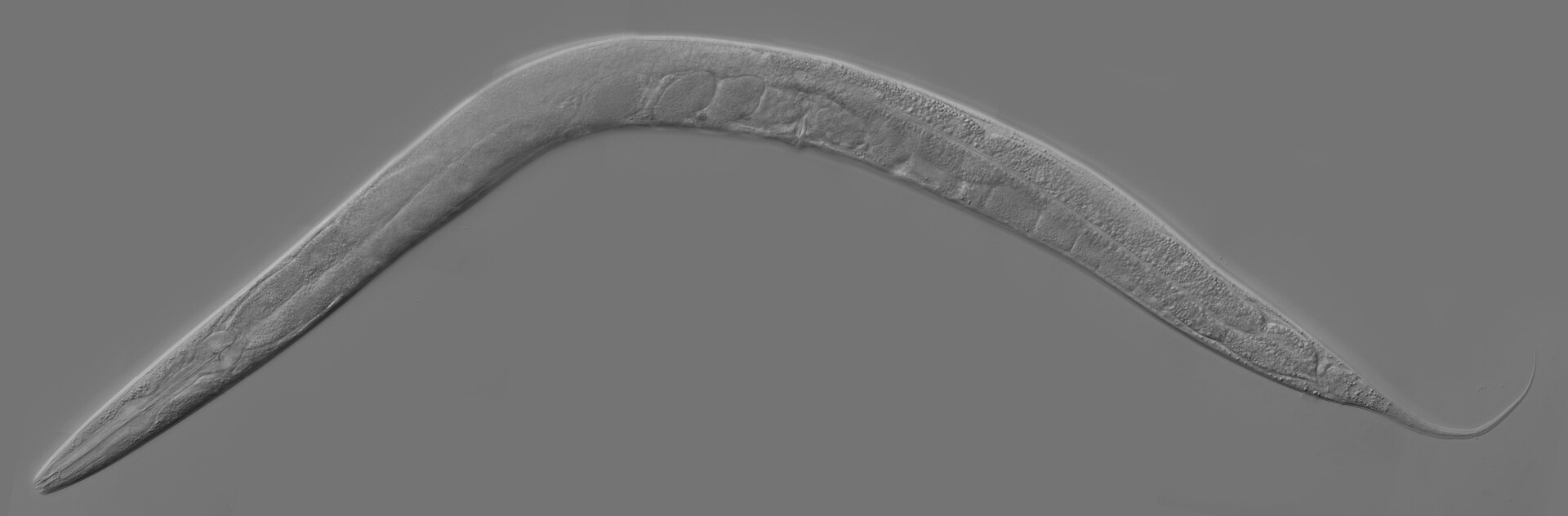
Nematodes are among the most abundant animals on Earth, thriving in soil, ocean floors, and everything in between. Most live fast and die young, finishing their whole lives in weeks. The Kolyma worm simply compressed that lifestyle to an extreme: weeks of living, then an unimaginably long pause, then more weeks of living as if nothing had happened.
Cryptobiosis: life on pause
The trick is called cryptobiosis, literally "hidden life". When drying out or freezing threatens, certain organisms pull water out of their cells, halt their metabolism, and lock their insides into a glassy, chemically quiet state. No growth, no repair, no measurable life processes. Resuscitate them and everything resumes.
The 2023 study showed how the worm pulls it off. Before desiccation, P. kolymaensis boosts production of trehalose, a protective sugar, by up to twenty times. This same sugar shield, plus related proteins, lets C. elegans, the standard laboratory worm, survive as a dauer larva for a few months at most. The molecular toolkit of the two species is partly shared, inherited from a common ancestor long before the Ice Age. Cryptobiosis is not a recent invention. It is ancient equipment that nematodes have carried for tens of millions of years, and the permafrost finally revealed just how well it works.
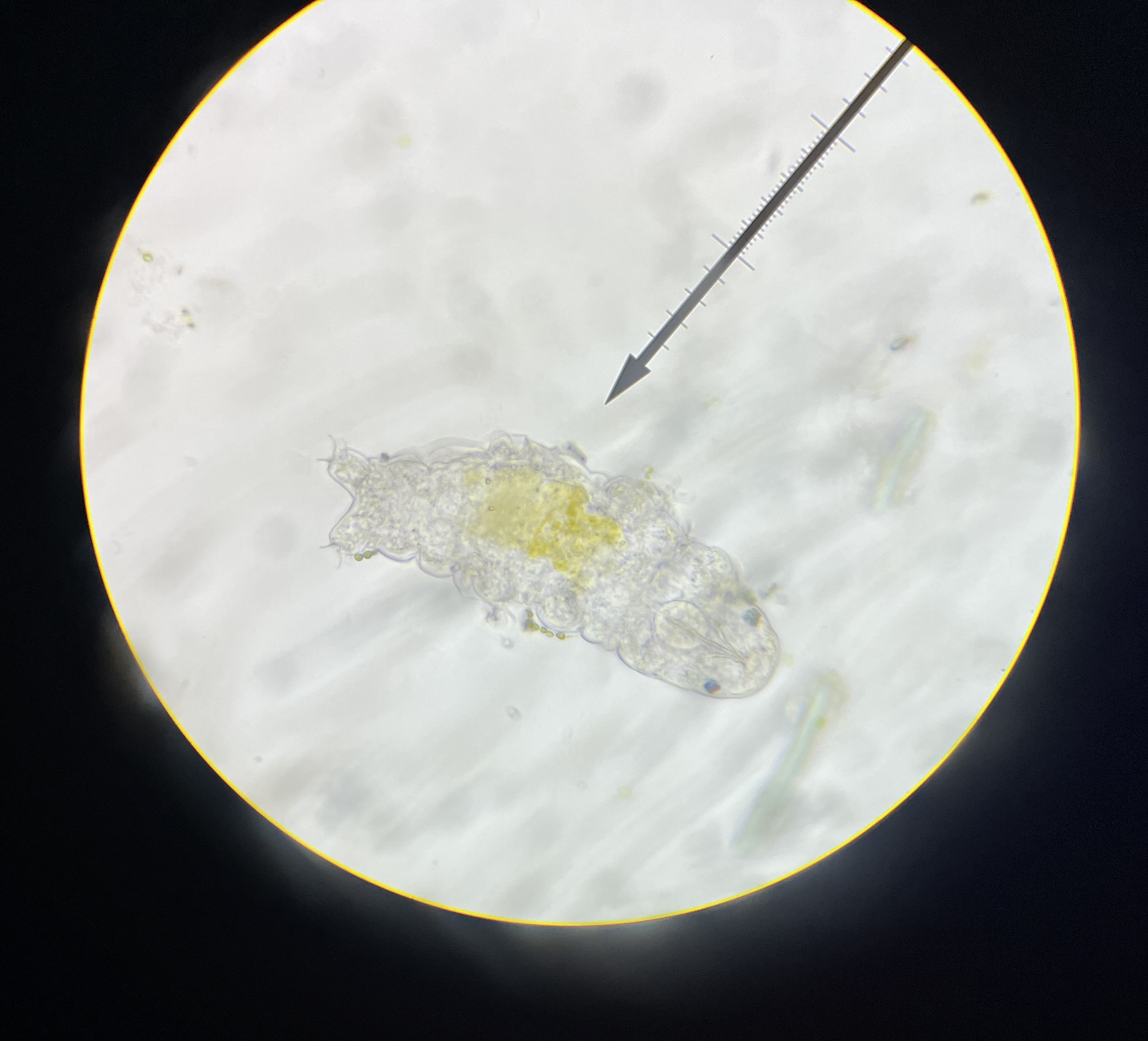
Tardigrades, the celebrated water bears, use a similar playbook, and their cryptobiotic powers have made them famous. The Kolyma worm quietly outdoes them on the one record that matters here: longest confirmed return from suspended animation of any animal.
The comeback record holders
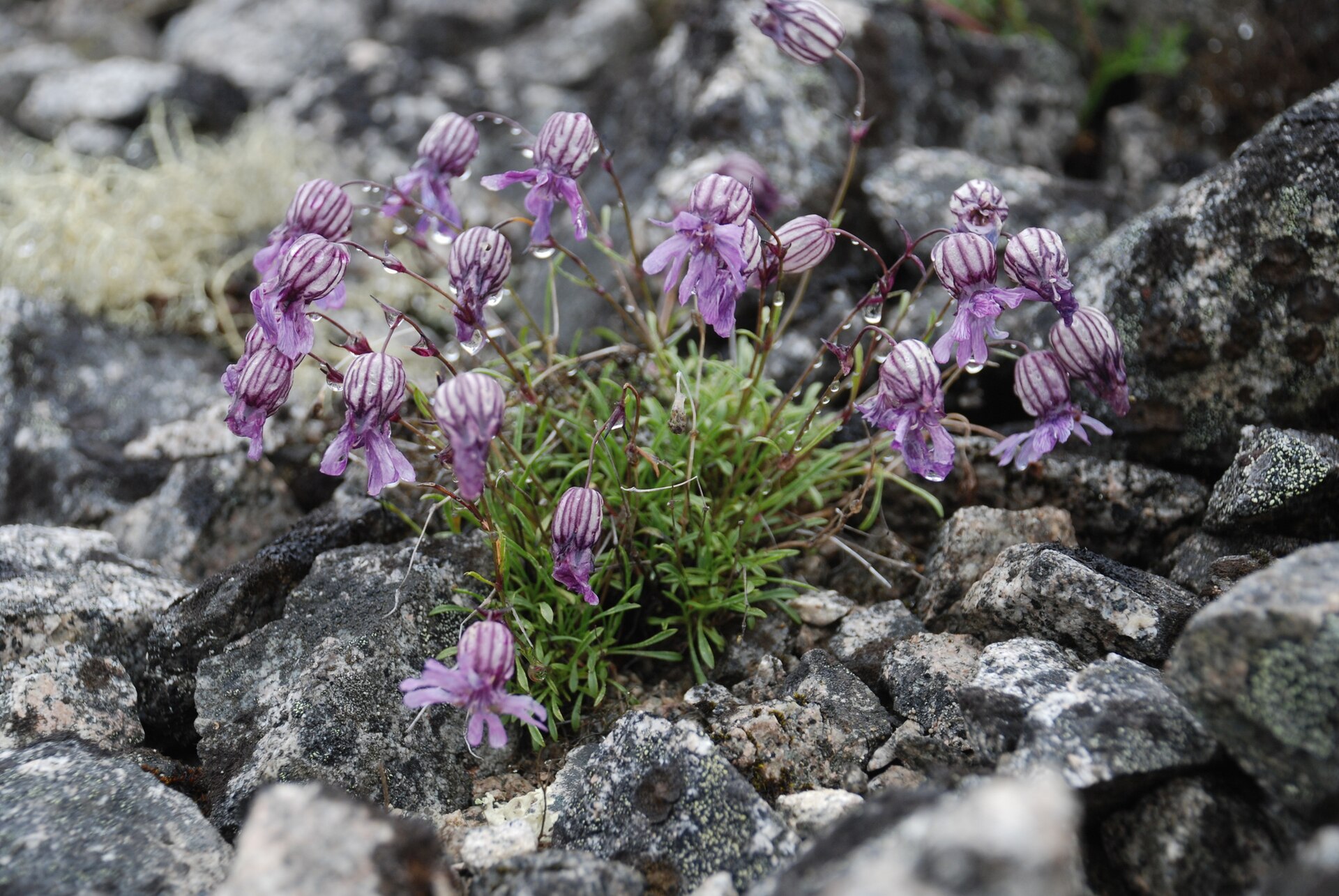
Reviving long-dormant life has a short but growing leaderboard. Sacred lotus seeds around 1,300 years old have germinated. A 2,000-year-old Judean date palm seed sprouted in 2005 and grew into a healthy tree nicknamed Methuselah. In 2021, scientists revived a bdelloid rotifer that had spent 24,000 years in Siberian permafrost. And in 2012, researchers regrew whole flowering plants from fruit tissue of Silene stenophylla buried about 32,000 years ago, recovered from the very same kind of Ice Age squirrel burrows on the Kolyma.
Each new record rewrites what we thought was possible. The 46,000-year-old nematode pushed the animal record from the range of centuries into geological time, deep enough that the ground it slept in predates every human city by a factor of hundreds.
Why a thawed worm matters
First, it reframes dormancy as a form of time travel. A population that can pause for millennia can bridge environments no living generation could survive, effectively sampling the future. Genes can skip across tens of thousands of years, which changes how we think about evolution in unstable habitats.
Second, it is practical. Understanding how cells survive their own dehydration and freezing informs cryopreservation, the storage of seeds, tissues, and cells. Life has already solved problems that medicine and agriculture are still working on.
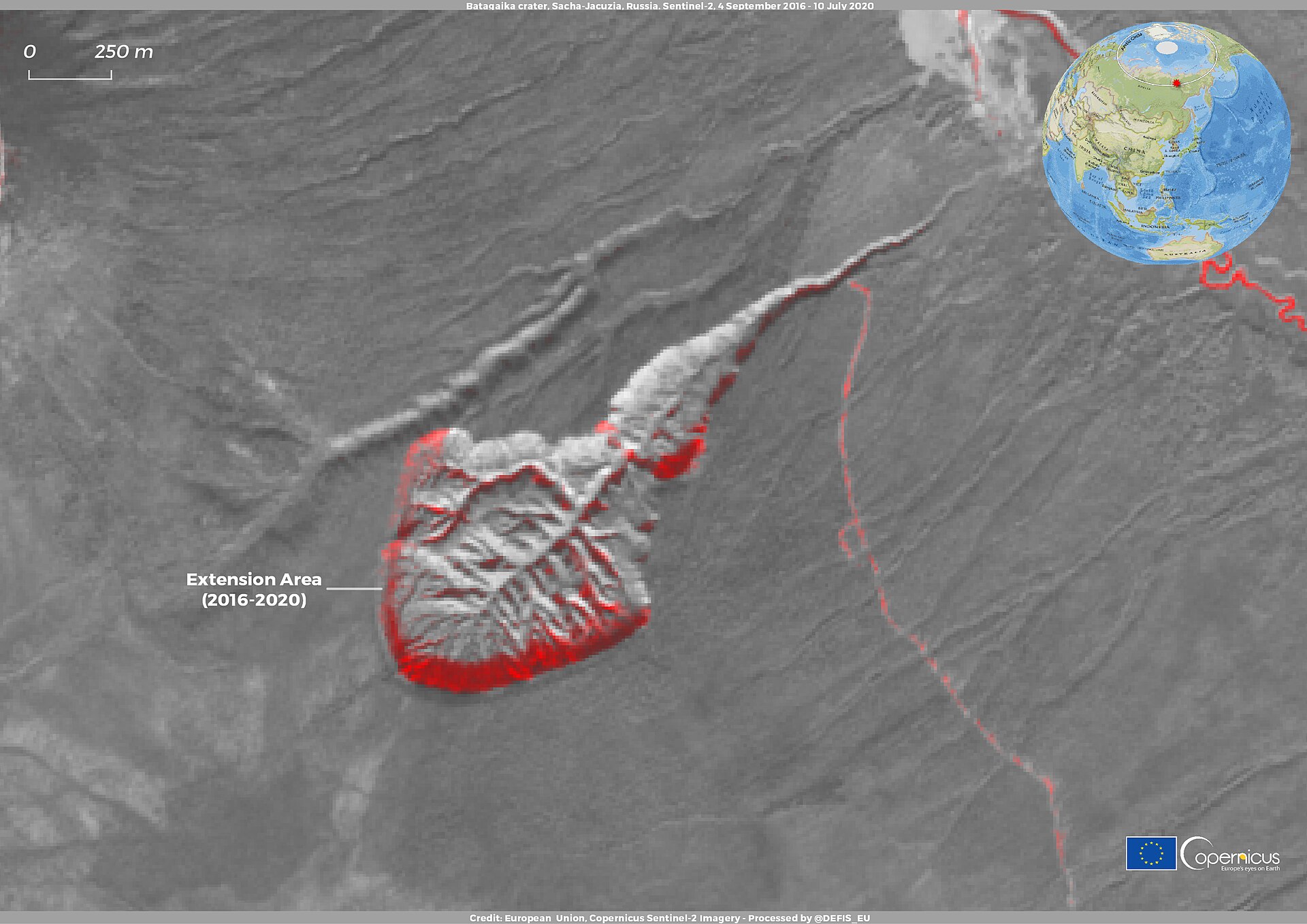
Third, there is the thaw. Permafrost is melting across the Arctic, and places like the Batagaika thaw slump in Yakutia are exposing Ice Age ground to daylight for the first time in millennia. Most organisms waking up in that mud are harmless decomposers, and no ancient plague is lurking in this worm. But the episode is a reminder that the frozen past is not entirely past.
Your Triops tank runs the same software
If any of this sounds familiar, it should. Triops eggs survive drying by entering the same kind of suspended state, waiting in dust-dry pool sediment until rain returns. Their waiting is measured in years and decades rather than millennia, and their world is a sun-baked desert pool rather than a frozen riverbank, but the logic is identical. An unreliable home is best survived by pressing pause and letting the clock skip ahead.
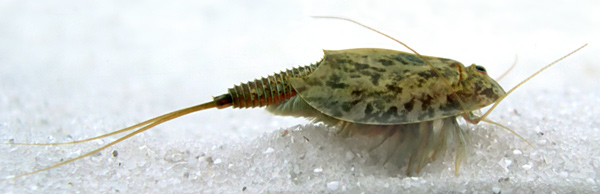
Triops take the strategy further: their egg banks hold thousands of embryos that hatch in staggered batches, a bet-hedging scheme described in our article on the invisible egg bank. Experiments have even shown their eggs can endure vacuum and radiation, raising questions we explore in whether Triops eggs could survive space.
A millimetre-long worm outlived the mammoth steppe, the Ice Age, and everything in between, then woke up and carried on as though 46,000 years were a long weekend. The next time you watch a jar of dusty Triops eggs hatch into a swarm of tiny shield-headed swimmers, remember that you are looking at the same ancient superpower, scaled down and still running after hundreds of millions of years.