Published 2026-09-04 · Back to Articles
Lingula: The 500-Million-Year-Old Survivor
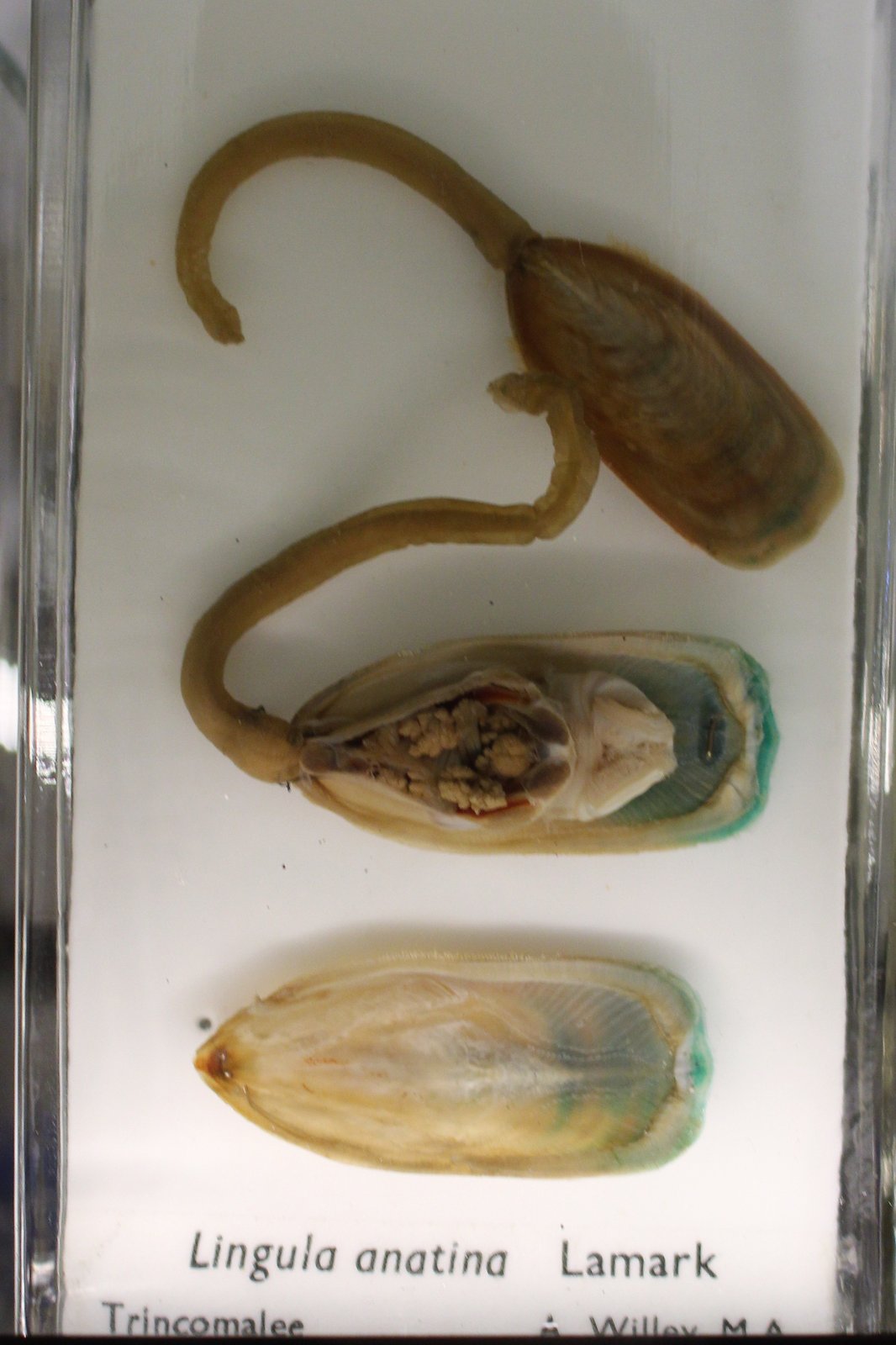
On a warm mudflat in the Indo-Pacific, a small creature sits in its burrow with its shells barely breaking the surface. It filters seawater for food, reacts to shadows, and waits for the tide. Its ancestors did exactly the same thing while trilobites crawled past. This is Lingula, a brachiopod genus that has been in business for roughly 500 million years, and it is often called the oldest animal genus alive today.
That claim is debated at the edges, as we will see, but the broad picture is hard to argue with. Lingula has glided through all five of Earth's mass extinctions, including the end-Permian catastrophe that killed around 90 percent of marine species. While the world changed around it, the animal itself stayed stubbornly, almost eerily, the same.
What Exactly Is a Brachiopod?
Brachiopods are marine animals sometimes called lamp shells, because some fossil shells resemble ancient oil lamps. At a glance, a brachiopod looks like a clam. Two shells, a hinge, a soft body inside. The resemblance is a famous case of convergent evolution, because brachiopods and clams are only distantly related and build their shells on completely different plans.
A clam's two shells are mirror images of each other, left and right. A brachiopod's shells are usually different sizes, one sitting above the other, and each shell is itself symmetrical across the midline. Instead of a muscular foot for digging, most brachiopods hold onto the seabed with a fleshy stalk called a pedicle. Inside, they sweep food from the water with a delicate, ciliated organ called a lophophore, a ring of tentacles that no clam has. Brachiopods were enormously successful in the Paleozoic, forming entire reefs and rock layers, before they declined into the roughly 300 living species we have today.
A Fossil Record Older Than the Forests
Brachiopods appear near the very beginning of the Cambrian explosion, more than 520 million years ago, among the first animals to build hard shells. The linguliform brachiopods, the group Lingula belongs to, are among the oldest of the lot. Shells that are essentially indistinguishable from modern Lingula show up in late Cambrian rocks, which means this body plan predates the first forests, the first insects, the first fish with jaws, and the first life on land.
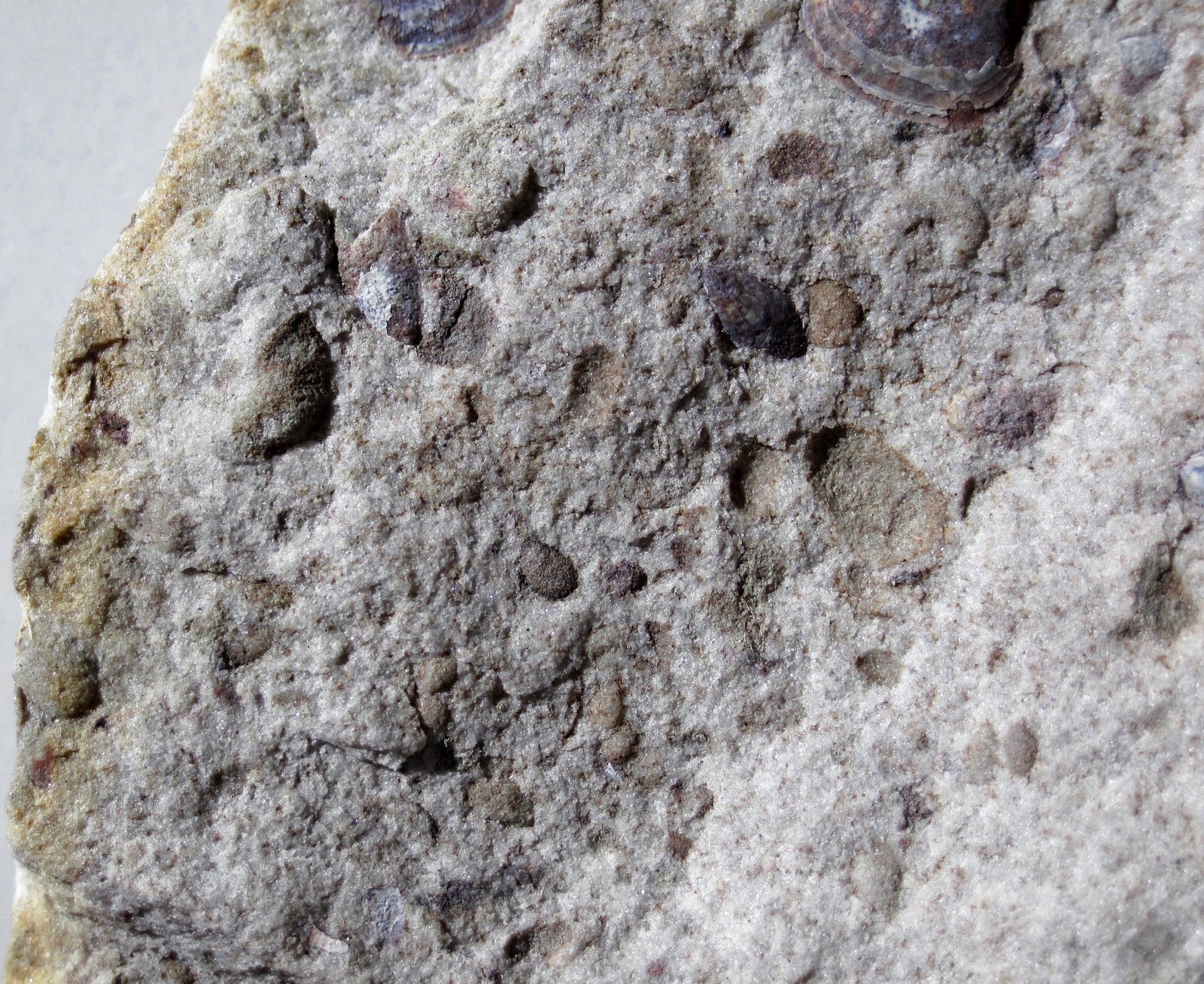
The paleontologist Richard Fortey once pointed out that you could place a modern Lingula next to its Cambrian relatives and see essentially the same animal. Few other living animals make that statement possible. The tuatara is called a living fossil at 200 million years of separation from its closest relatives. Ginkgo trees go back perhaps 270 million years. Lingula doubles those numbers and then some.
Here is the honest caveat, though. Identical shape does not automatically mean identical species. Lingula shells are simple and smooth, so the outward form has very little variation to lose. Modern genetic work suggests the genus is really a cluster of similar-looking species that have been replacing each other over deep time. The safest way to put it is this: the body plan is Cambrian, even if every individual species alive today may be a much younger invention. It is the design that survived, not a single unbroken bloodline.
Anatomy of a Survivor
Part of the secret is that Lingula never went in for complexity. The shell is made of calcium phosphate and chitin, a rare mineral choice among shell-building animals, and it is thin and light. The pedicle is long, muscular, and sticky, anchoring the animal in soft sediment. If a wave or a predator exposes the burrow, Lingula can shoot itself back down in seconds with a squirming, peristaltic motion, something most brachiopods cannot do at all.
Most brachiopods cement themselves to hard ground or sit exposed on the surface. Lingula instead lives buried in a U-shaped burrow in sand and mud, connected to the water above. That habit puts it in some of the least glamorous but most changeable habitats on Earth: estuaries, tidal flats, and brackish lagoons, where salinity swings, oxygen drops, and storms rewrite the landscape overnight. It is exactly the kind of rough neighborhood that kills specialists and quietly selects for generalists.
Five Mass Extinctions, Five Lousy Environments
Run down the list of the big five extinctions and Lingula's line crosses every one. The end-Ordovician glaciation and the Late Devonian crisis each shattered brachiopod faunas. The end-Triassic and the asteroid strike that ended the Cretaceous did their damage too. But the big one, the end-Permian extinction about 252 million years ago, is the true test case.
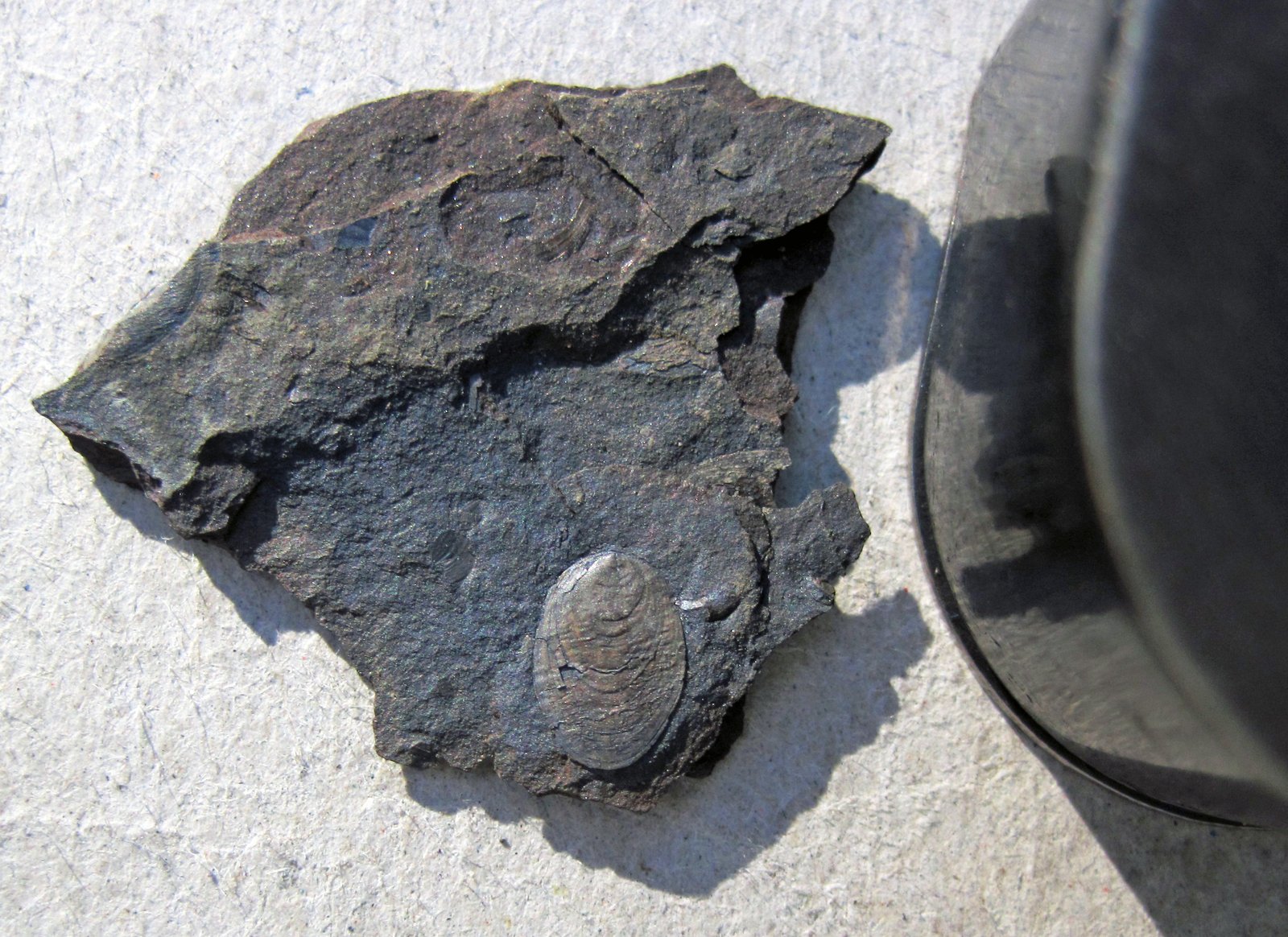
Brachiopods as a whole were devastated. The rich, diverse communities of Paleozoic seafloors collapsed, and whole orders vanished forever. Lingula, meanwhile, appears again and again in the recovery rocks right after the crisis, thriving in oxygen-poor, muddy waters where almost nothing else wanted to live. Geologists even use a term for this pattern: Lingula facies. When a rock layer is full of nothing but Lingula shells, it usually marks an environment that was marginal, stressful, and recently disturbed.
That is the pattern worth noticing. Lingula did not survive five mass extinctions because it was armored, fast, or clever. It survived because it was already adapted to conditions that other animals call disasters. Warm, brackish, low-oxygen, storm-churned mud is just a Tuesday for this genus. When a global catastrophe turned much of the ocean into exactly that kind of place, Lingula was one of the few animals already at home.
The Triops Playbook, 300 Million Years Earlier
If you read our pieces on how Triops survived five mass extinctions or on ephemeral pools, this strategy will sound familiar. Triops also lives in places that go bad quickly: temporary ponds that dry up, flood, overheat, and refill. Like Lingula, it pairs a simple, ancient body plan with an extreme tolerance for unstable environments, and it leans on opportunistic, high-volume reproduction to repopulate whenever a habitat briefly comes back to life.
The two animals are not close relatives. Triops is a crustacean, Lingula is a brachiopod, and their last common ancestor was probably some kind of simple worm-shaped creature over 550 million years ago. Yet evolution handed them the same winning ticket twice: never specialize, live where nobody else wants to live, and keep the body plan boring. Other famous members of the same club include horseshoe crabs and the branchiopod crustaceans. Our overview of living fossils shows just how many different routes lead to the same destination.
Lingula Today
Lingula anatina, the most familiar modern species, is common on sandy flats from East Africa to Japan and Australia, where it is gathered at low tide and eaten in several coastal communities. It is abundant enough that few people realize they are handling one of the oldest continuous designs in the history of life. Meanwhile, researchers keep coming back to it for clues about biomineralization, larval development, and what Cambrian animals were actually like as living things rather than as crushed fossils.
There is a quiet lesson in Lingula for anyone who equates success with spectacle. The fossils that fill museum halls, the giant predators, the armored giants, all of them eventually lost their gamble on a specialized way of life. The small brown tongue worm in the mud never gambled at all. It kept the original design, kept the worst address on the seafloor, and simply outlasted everything, for half a billion years and counting.