Published November 03, 2026, 00:19 · by the Triops.me Editorial Team · Back to Articles
The Dwarf Dinosaurs of Hațeg Island
In 1895, on a hillside on the Nopcsa family estate near the village of Sânpetru in Transylvania, laborers turned up a handful of odd, weathered bones. The family's teenage heir, Franz Nopcsa, took them to Vienna, where he was studying, and asked the experts what animal they belonged to. Nobody could tell him, so he resolved to work it out himself. That small act of stubbornness started one of the strangest careers in the history of paleontology, and it led to one of its best ideas.
The dinosaurs of those hills were unlike anything found before. They were all the wrong size, too small for their own families, as if the region's fauna had been photocopied at reduced scale. Sixty years before anyone could prove it, Nopcsa explained why. These animals, he argued, had lived on an island, and islands shrink giants.
An aristocrat, a spy, and a paleontologist
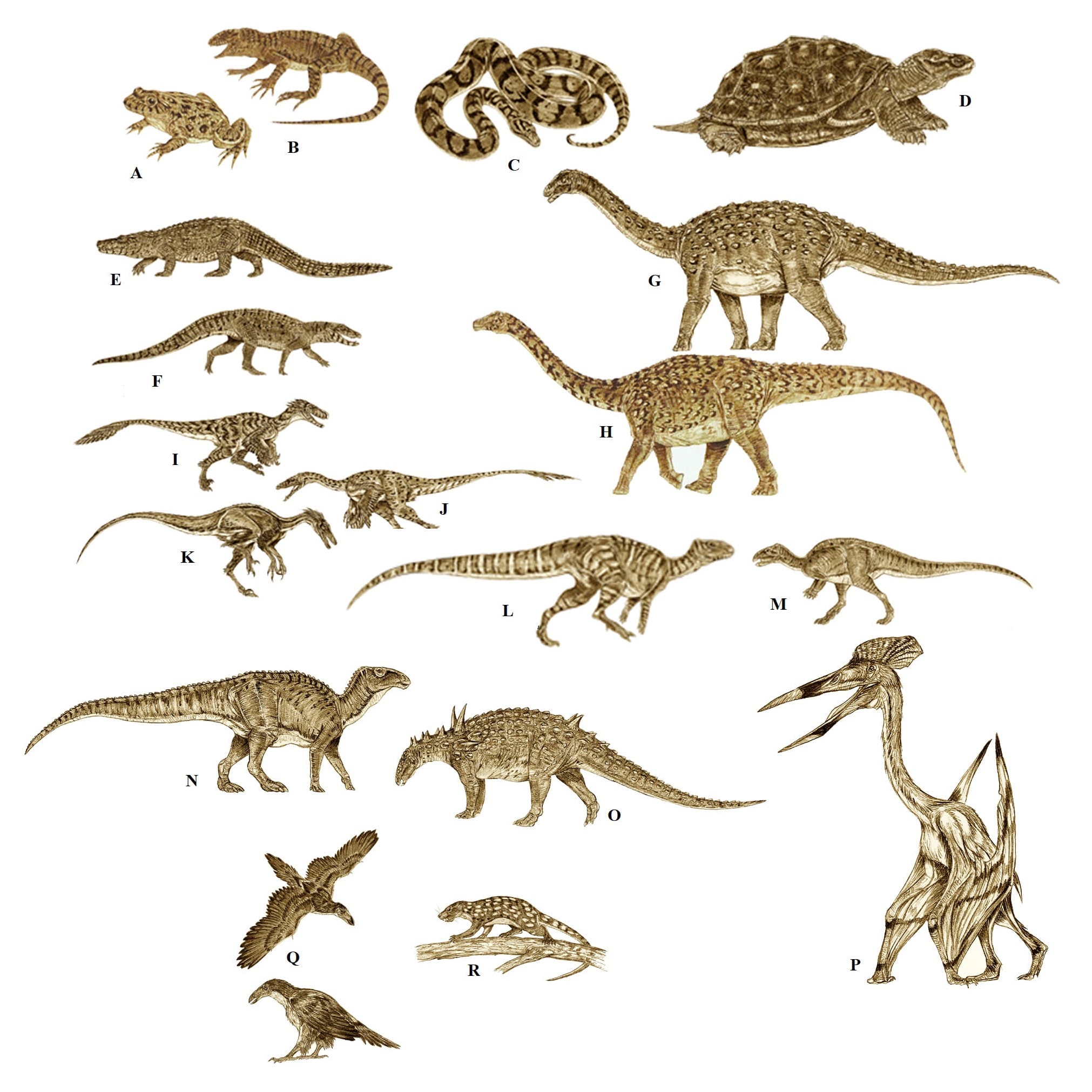
Nopcsa, who lived from 1877 to 1933, named most of the signature animals of the region. Telmatosaurus, a primitive duck-billed dinosaur. Zalmoxes, a stocky plant eater he named after a god of the ancient Dacians. Magyarosaurus, a long-necked titanosaur. He also described Kallokibotion, an odd early turtle, and Allodaposuchus, one of the largest land predators of Late Cretaceous Europe.
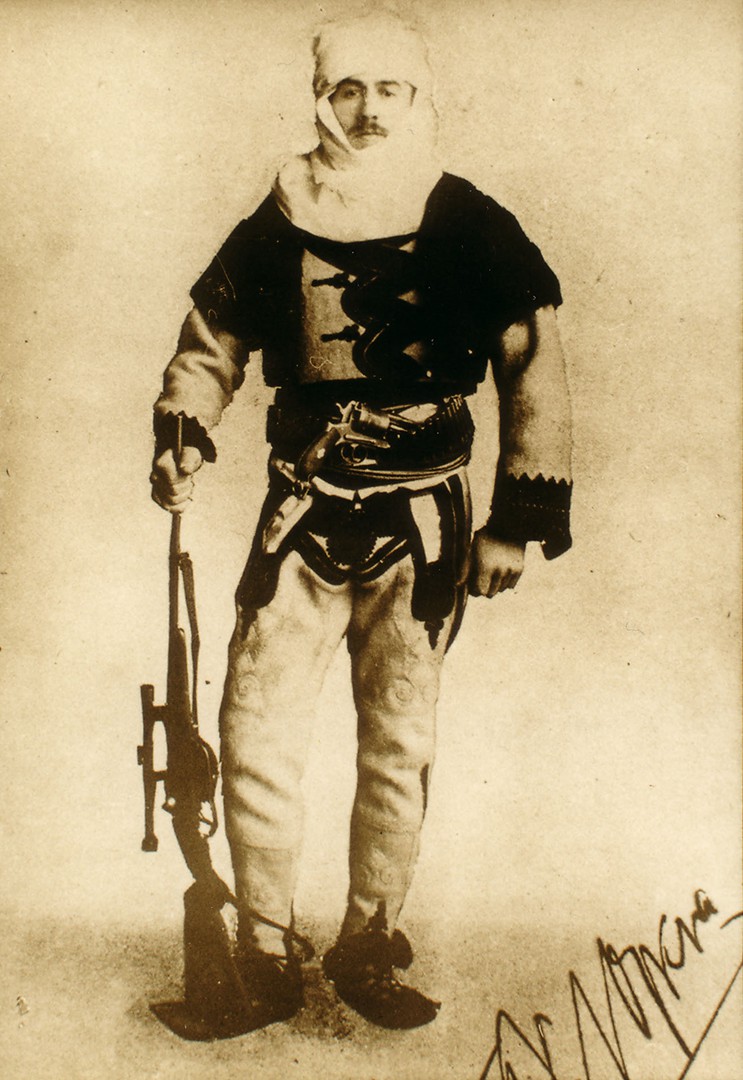
His life away from the fossils read like an adventure novel. He learned Albanian, traveled the Balkans by motorcycle, spied for Austria-Hungary, and was even floated as a candidate for the throne of newly independent Albania. He also proposed a theory of how flight evolved in vertebrates, suggesting that four-winged gliding climbers came before flapping birds, decades before Microraptor, a small dinosaur with long feathers on all four limbs, was unearthed in China. After his death in 1933, his fossil collection went to the Natural History Museum in London, where much of it remains today.
Giants in miniature
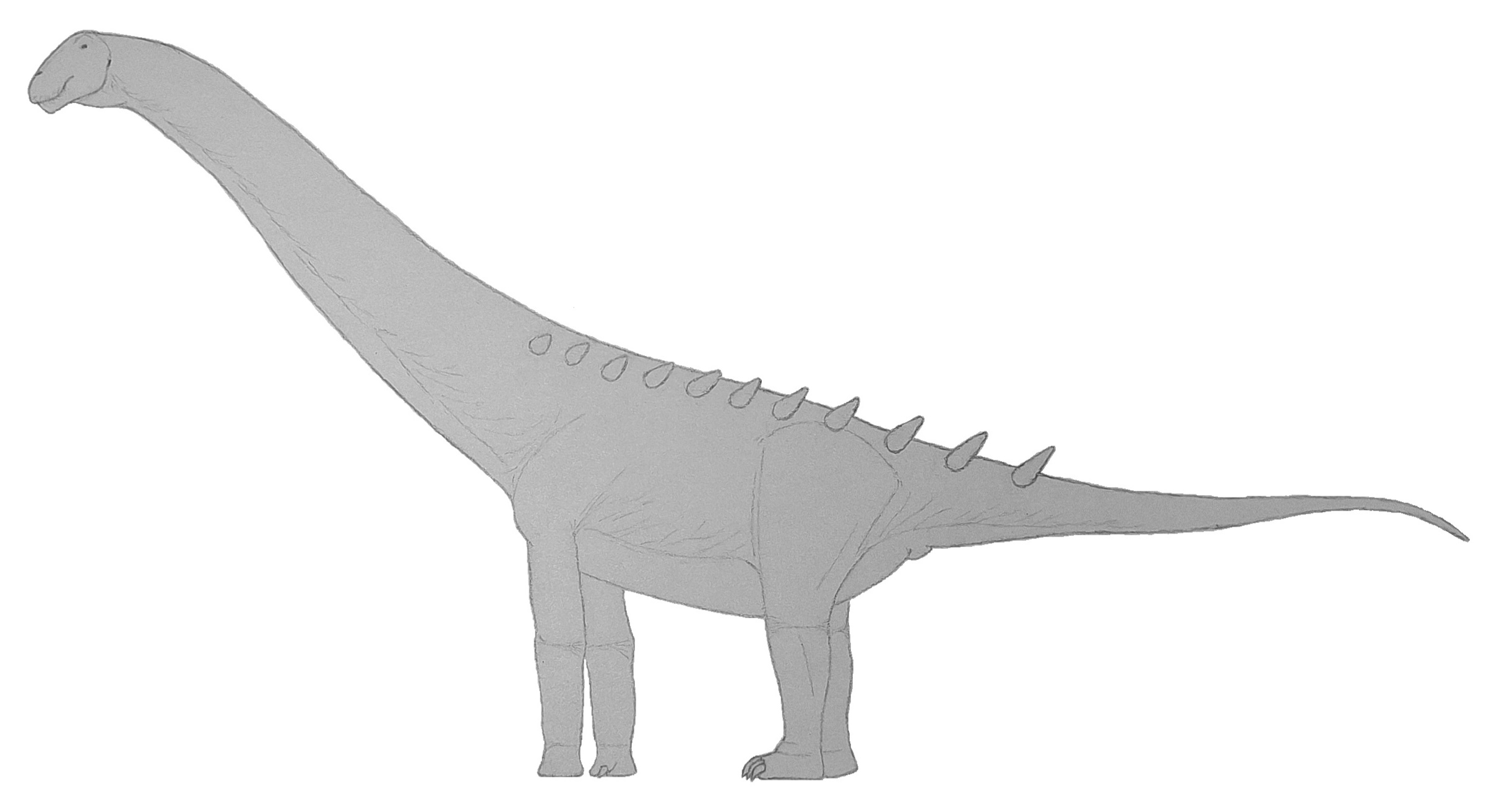
The most famous resident of the island was Magyarosaurus dacus, a titanosaur, the group that includes the heaviest land animals that ever walked. Its cousins elsewhere grew 20 meters long or more and weighed many tens of tonnes. Magyarosaurus measured barely six meters and probably weighed under a tonne. For decades, skeptics dismissed its bones as those of babies. In 2010, researchers sliced into the fossils and read the bone tissue like tree rings. The growth lines had stopped. These were fully grown adults, and Magyarosaurus remains the smallest adult titanosaur ever found.
The pattern held across the whole fauna. Telmatosaurus was a duck-billed dinosaur around five meters long, modest next to giants like Shantungosaurus, which stretched past 14 meters. Zalmoxes was a plant eater about three meters long, small for its kind. Struthiosaurus, an armored dinosaur, was scarcely bigger than a pony. A 2016 study even found a benign tumor called an ameloblastoma in the lower jaw of a Telmatosaurus, the kind of intimate detail only exceptional fossils preserve.
The island rule, predicted in 1914
Nopcsa's explanation, laid out in 1914, was simple. In the final age of the dinosaurs, the Hațeg region was not part of any continent. It was an island, roughly the size of Ireland, sitting in the warm Tethys Sea within a scattered European archipelago. Large animals marooned on an island with limited food and few predators, he reasoned, tend to shrink over many generations, while small animals sometimes grow.
Modern geology has backed him up. The Late Cretaceous rocks of the Hațeg Basin, laid down between about 72 and 66 million years ago, formed on land cut off from the mainland by sea channels. Biologists now call the pattern Nopcsa spotted the island rule. Dwarf elephants barely a meter tall lived on the Mediterranean islands, pygmy mammoths stood on the California Channel Islands, and on Flores in Indonesia, dwarf stegodonts shared ground with Homo floresiensis, the small human species nicknamed the hobbit. The rule runs in reverse too, which is how Haast's eagle, a giant from New Zealand, grew powerful enough to hunt moas, the mirror image of the forces behind prehistoric gigantism. Scientists later found a second prehistoric case in Europe itself: Europasaurus, a Jurassic sauropod from northern Germany whose bones show it was a dwarfed adult, squeezed by island life in the same way.
The island's one real giant
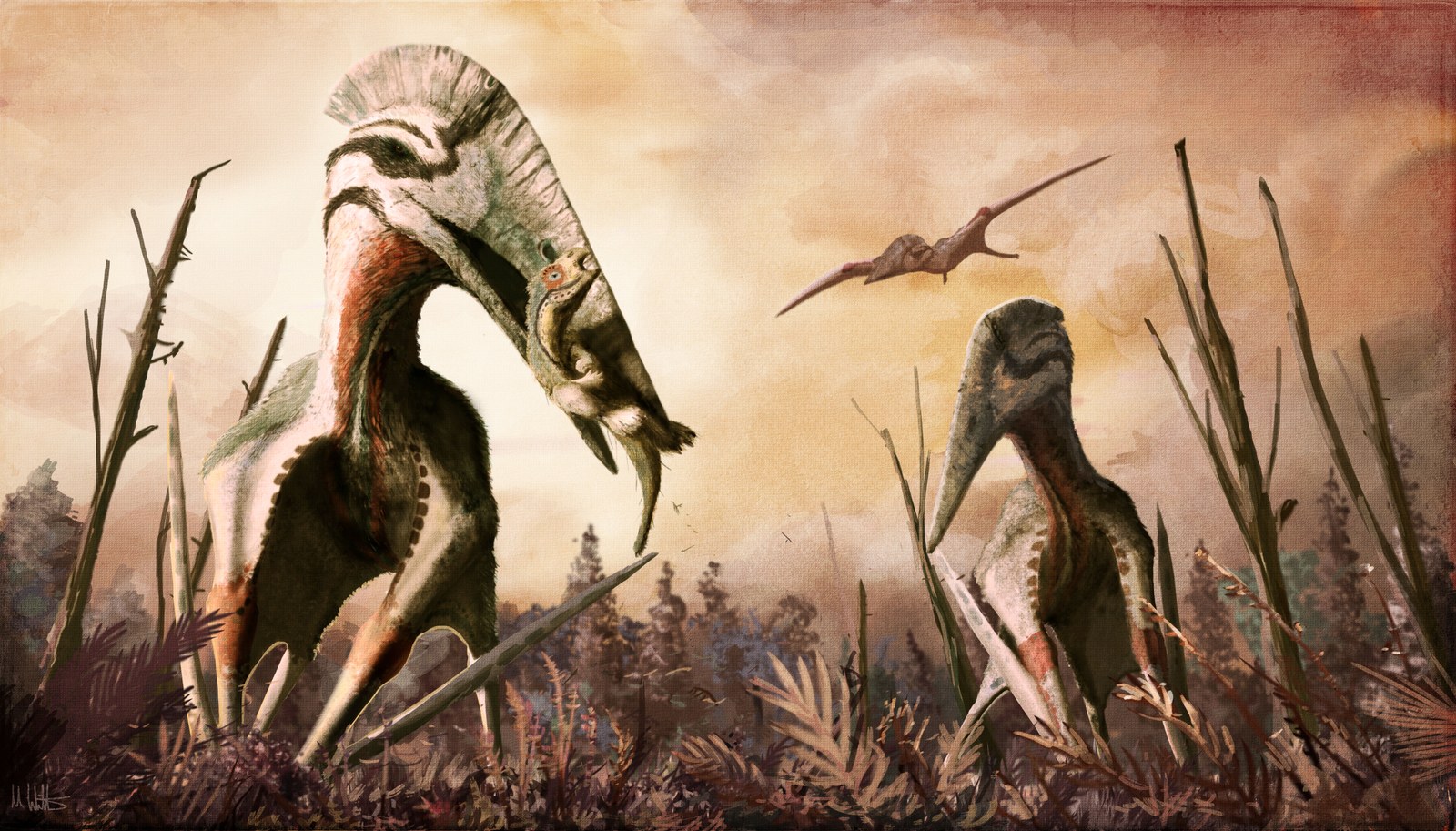
One animal refused to shrink. Hatzegopteryx thambema, named in 2002, was an azhdarchid pterosaur, a flying reptile related to Quetzalcoatlus, with an estimated wingspan of 10 to 12 meters, among the largest of any flying animal known. Its species name means monster. The image at the top of this article shows it the way scientists now picture it: not a skimming fisher but a grounded hunter, folding its wings and stalking the floodplains on all fours like a monstrous stork, swallowing anything it could catch, possibly including the island's own dwarf dinosaurs. Its neck bones look thin-walled, but they are packed with internal struts that resisted the twisting forces of large, struggling prey.
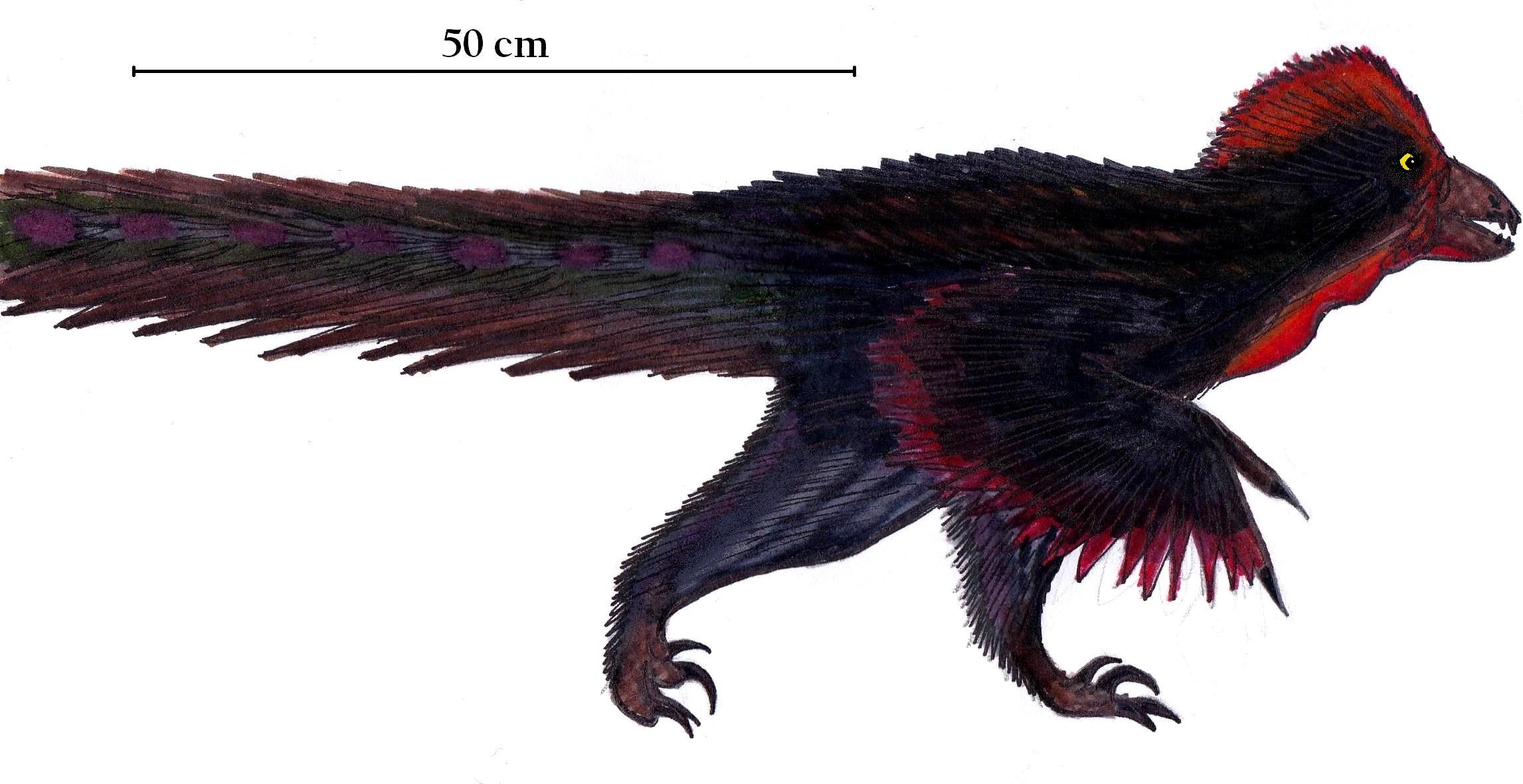
Predator and prey alike were strange. Balaur bondoc, described in 2010, was a stocky relative of the Velociraptor lineage whose feet carried not one but two large sickle claws apiece, moved by heavily muscled legs built for power rather than speed. Later analyses argued that Balaur might not be a close raptor cousin at all, but a flightless early branch of the bird family tree, a debate still running. A crocodile relative, Allodaposuchus, patrolled the rivers, small mammals like Kogaionon, named after a sacred mountain of Dacian legend, rustled through the undergrowth, and Kallokibotion paddled the quiet waters.
How it ended, and what stayed
The island story ends the way the age of dinosaurs does. About 66 million years ago, an asteroid struck Earth, and the dwarfs of Hațeg died alongside the giants everywhere else. Being small was no armor against the worst day in the planet's history.
What survived was the idea. Island dwarfism and island gigantism are now standard results of ecology, studied wherever islands make animals strange, from fossil islands to the Galápagos today. Nopcsa got there in 1914, from a hillside in Transylvania, decades ahead of the science. And the island holds a last lesson in its smallest direction. Size is a strategy, not a guarantee. Triops, the little pond shrimp this site is named after, never grew big at all, and it has simply outlived every one of these dinosaurs, hatching again after each catastrophe as if nothing happened.